+86-173-0318-1768
- All
- Product Name
- Product Keyword
- Product Model
- Product Summary
- Product Description
- Multi Field Search

Views: 0 Author: Site Editor Publish Time: 2026-03-10 Origin: Site


A Semi-Autogenous Grinding (SAG) mill is a type of grinding mill used in the mining industry for reducing the size of ore and other materials to prepare them for further processing. SAG mills are essential in mineral processing because they perform the critical task of breaking down large rocks into smaller, manageable sizes. A SAG mill uses both grinding balls and the material itself as grinding media, making it more efficient than traditional grinding methods.
The design of a SAG mill consists of a rotating drum that houses the grinding media. The material is fed into the mill, where it is impacted by the grinding media and breaks down into smaller particles. The role of SAG mill liners is vital in ensuring that the grinding process remains efficient and safe by protecting the internal components of the mill.
SAG mill liners are critical components of the mill. They are designed to:
Protect the mill shell from wear and tear.
Enhance the mill's grinding efficiency.
Reduce energy consumption.
Improve mill performance by optimizing the interaction between the grinding media and ore.
A properly selected and maintained liner will contribute to better grinding results and a longer lifespan for the mill. Let's explore the different types of liners used in SAG mills and their specific roles.
Bolted liners are one of the most common types of liners used in SAG mills. These liners are fastened to the mill shell using bolts, which makes them easy to install, remove, and replace. The bolting system ensures that the liner stays in place during operation, even under the high-impact conditions that occur inside the mill.
Steel: Bolted liners are typically made from steel alloys, including high-carbon steel and alloy steel, to ensure durability and strength.
Alloy Materials: Some bolted liners incorporate alloys like manganese steel, which enhances their resistance to wear and abrasion.
Easy installation and replacement.
Ability to handle high impact and wear.
Simple design for cost-effective manufacturing.
Boltless liners, also known as friction liners, are a more modern option that does not require bolts for installation. These liners rely on friction to stay in place inside the mill, using a tight fit between the liner and the mill shell.
Rubber: In some cases, boltless liners are made from rubber or composite materials that increase their flexibility and resilience.
Metal: Metal versions of boltless liners use interlocking mechanisms or other types of friction-based locking systems.
Reduced maintenance time as no bolts are involved.
Easier to install and remove with minimal downtime.
Increased lifespan due to the absence of bolt wear.
Rubber liners are made from durable synthetic rubber compounds and are commonly used in SAG mills for their ability to resist wear and reduce noise. Rubber liners are often preferred in environments where flexibility and cost-effectiveness are key considerations.
Wear Resistance: Rubber liners are excellent at reducing wear and tear on the mill shell.
Noise Reduction: Rubber absorbs vibrations, making it ideal for environments where noise control is important.
Cost-Effective: Rubber liners are generally cheaper than metal liners, making them a popular choice for many mills.
Ideal for mills operating at lower impact forces.
Suitable for fine grinding processes in industries like minerals processing and cement production.
Composite liners are a hybrid solution that combines the best features of rubber and metal. These liners use a combination of materials, such as a metal core surrounded by rubber, to offer enhanced protection and performance.
Durability and Flexibility: Composite liners offer the strength and impact resistance of metal while benefiting from the wear resistance and noise reduction properties of rubber.
Versatility: These liners can be used in a variety of milling conditions, from high-impact applications to finer grinding processes.
Improved Mill Performance: They can help optimize grinding efficiency by maintaining better interaction between the grinding media and the ore.
Cast liners are made from cast iron and other metals that can be molded into the shape required for specific SAG mill configurations. These liners are often used in high-wear applications due to their hardness and resistance to abrasion.
Strength: Cast liners provide exceptional strength and wear resistance, which makes them ideal for handling high-impact grinding environments.
Durability: The hardness of cast iron ensures a long-lasting performance in demanding applications.
Customization: Cast liners can be molded into unique shapes, allowing for custom solutions based on specific mill design requirements.
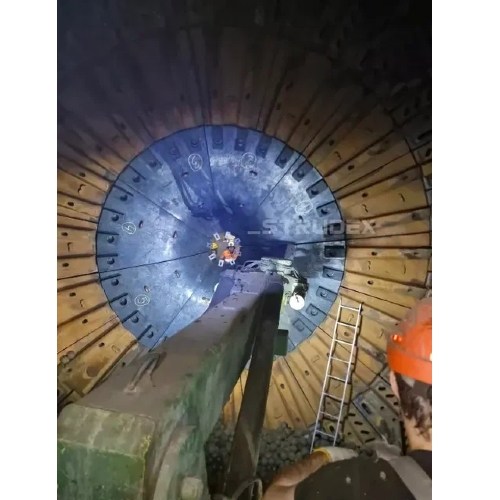
Steel alloys are a common material used in the manufacturing of SAG mill liners. Alloys like high-carbon steel and manganese steel are favored for their strength and resistance to wear.
Material | Benefits | Common Uses |
High-Carbon Steel | Excellent wear resistance | Bolted liners, composite liners |
Manganese Steel | High impact resistance | High-wear areas, mill shells |
High resistance to abrasion.
Ability to withstand high-impact forces.
Longer liner life and reduced downtime.
Rubber and synthetic composites are used in SAG mill liners due to their flexibility and excellent wear resistance. These materials are particularly beneficial in reducing noise and vibration during grinding operations.
Flexible and impact-resistant.
Reduces the need for frequent liner replacements.
Ideal for fine grinding operations where less impact force is involved.
High chrome iron is another popular material used for SAG mill liners due to its exceptional hardness and ability to withstand abrasive wear.
Material | Benefits | Common Uses |
High Chrome Iron | Excellent abrasion and impact resistance | High-wear zones, high-impact areas |
Superior wear and impact resistance.
Ideal for harsh grinding environments.
Longer lifespan and better performance in abrasive conditions.
The primary function of SAG mill liners is to protect the mill shell from wear caused by the constant impact and grinding forces. Different types of liners offer varying levels of protection, depending on the material used. Metal liners tend to offer stronger protection against high-impact forces, while rubber liners are better suited for environments with lower levels of wear.
SAG mill liners also play a significant role in improving energy efficiency. By optimizing the interaction between the grinding media and the ore, liners can help reduce the energy required for grinding. For example, rubber liners can reduce the energy needed for finer grinding, while composite liners help improve grinding efficiency across various operational conditions.
The right SAG mill liner can enhance the overall performance of the mill. By ensuring that the grinding media interacts efficiently with the ore, liners help increase the throughput of the mill while reducing the need for frequent maintenance and downtime.
When choosing the right SAG mill liner, several factors should be considered, including:
Mill Type and Size: Larger mills may require thicker, more durable liners, while smaller mills may benefit from cost-effective options.
Ore Characteristics: The hardness and abrasiveness of the ore being processed play a role in determining which liner material is best suited.
Operating Conditions: High-impact operations may require tougher, metal-based liners, while fine grinding may benefit from rubber or composite liners.
Liner lifespan depends on factors such as material hardness, the type of ore processed, and the operating conditions. Regular inspections can help determine when to replace liners, ensuring that the mill continues to perform efficiently and without excessive downtime.
SAG mill liners are essential for optimizing grinding mill performance. At Strudex Tech Co., Ltd., we offer a variety of liners, including bolted, boltless, rubber, composite, and cast options, each tailored to specific milling conditions. Choosing the right liner is critical for protecting the mill shell, improving energy efficiency, and enhancing overall mill performance. Whether you're dealing with high-impact or low-wear environments, selecting the correct liner can significantly boost productivity and reduce operational costs.
We understand the importance of selecting the perfect liner for your specific needs. Our team at Strudex Tech is dedicated to providing high-quality SAG mill liners designed to meet the demands of various industries. For more information or to discuss your requirements, feel free to reach out to us. We're here to help you make informed decisions that optimize your milling operations and reduce downtime.
1. What are SAG mill liners made of?
SAG mill liners can be made from materials such as steel alloys, rubber, composite materials, and high chrome iron, each providing different benefits based on wear resistance, impact resistance, and energy efficiency.
2. How do SAG mill liners affect mill performance?
The type of SAG mill liner influences wear protection, energy consumption, and overall grinding efficiency, impacting the mill's performance.
3. What is the difference between bolted and boltless SAG mill liners?
Bolted liners require bolts for attachment, while boltless liners rely on friction or interlocking mechanisms, reducing maintenance time and simplifying installation.
4. Can rubber liners be used in all SAG mills?
Rubber liners are best suited for environments with less severe impact, particularly in fine grinding applications, but may not be suitable for high-impact operations.
5. How often do SAG mill liners need to be replaced?
The frequency of replacement depends on operating conditions and material hardness. Regular inspections can help identify when liners need to be replaced.


