+86-173-0318-1768
- All
- Product Name
- Product Keyword
- Product Model
- Product Summary
- Product Description
- Multi Field Search

Views: 0 Author: Site Editor Publish Time: 2026-03-05 Origin: Site


In the world of slurry pumps, selecting the right liner material is essential for optimizing pump efficiency, minimizing downtime, reducing maintenance costs, and ensuring long-term durability. Pump Rubber Liners have long been recognized as an ideal solution for handling abrasive slurries, a challenge commonly faced in industries such as mining, mineral processing, and other sectors that deal with slurry transportation. These industries require liners that can withstand harsh operating conditions, including constant exposure to abrasive particles, corrosive substances, and high-pressure environments.
This article will provide a detailed comparison between Pump Rubber Liners and other common liner materials like metal, polyurethane, and ceramic. We will explore the key benefits, including performance in abrasive conditions, wear resistance, flexibility, and corrosion protection. Additionally, we’ll assess the cost-effectiveness of each material, helping you make an informed decision on the best liner material for your slurry pump applications.
Pump Rubber Liners are essential components of slurry pumps, designed to protect the pump casing and extend its lifespan by minimizing the wear caused by abrasive particles in the slurry. These liners are typically made from rubber compounds that offer unique benefits, including flexibility, corrosion resistance, and cost-effectiveness.
Durability: Rubber liners are known for their exceptional resistance to wear caused by abrasive slurries, making them ideal for harsh pumping environments.
Flexibility: The elastic nature of rubber allows it to better absorb impacts and adapt to the changing flow of slurry, minimizing the risk of damage.
Corrosion Resistance: Rubber liners are resistant to the corrosive effects of chemicals found in many slurry mixtures, offering superior protection compared to other materials.
Cost-Effectiveness: The initial cost of rubber liners is often lower than that of metal or ceramic alternatives, with the added benefit of reduced maintenance and replacement costs.
When selecting liner materials for slurry pumps, several factors must be considered, including the pump's operational environment, the type of slurry being processed, and the desired longevity of the pump components. Pump Rubber Liners offer distinct advantages in these areas:
Pump Rubber Liners are designed to withstand the harsh conditions present in slurry pumping systems. The unique elasticity of rubber helps to reduce the wear and tear on the pump casing, which is especially important in applications that involve abrasive or coarse particles. Rubber’s resilience to impact and friction helps maintain optimal performance over an extended period, making it a preferred choice for many industries.
One of the key advantages of rubber over other materials is its ability to absorb shocks and impacts. Slurry pumps often experience sudden surges in flow or changes in pressure, which can damage rigid materials like metal or ceramic. Rubber’s flexibility allows it to withstand these shocks without cracking or breaking, ensuring a longer lifespan and more stable pump operation.
Slurry mixtures can contain corrosive chemicals, such as acids, salts, and other harsh substances. Pump Rubber Liners provide excellent resistance to these corrosive elements, making them ideal for handling chemically aggressive slurries. This resistance helps prevent rust and degradation, which are common issues with metal liners.
Compared to metal and ceramic liners, Pump Rubber Liners are typically more affordable both in terms of initial purchase cost and ongoing maintenance. Rubber’s durability and wear resistance reduce the frequency of replacements, leading to lower long-term costs. Additionally, the ease of installation and maintenance further enhances its cost-effectiveness.
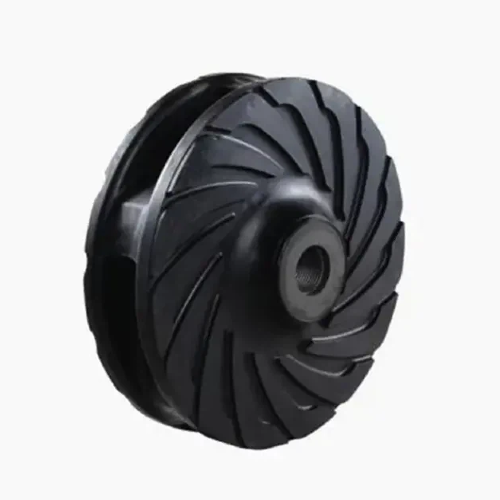
Metal liners are commonly used in slurry pumps, often made from alloys such as stainless steel or cast iron. These materials are rigid and offer high strength, but they are more prone to wear and corrosion when exposed to abrasive slurries. In contrast, Pump Rubber Liners are made from flexible rubber compounds, which provide superior protection against abrasion and corrosion.
Feature | Pump Rubber Liner | Metal Liner |
Wear Resistance | High, especially for abrasive slurries | Moderate, wears down faster in abrasive conditions |
Corrosion Resistance | Excellent, ideal for chemically aggressive slurries | Poor, can corrode over time in acidic or saline conditions |
Shock Absorption | High, excellent flexibility | Low, rigid material prone to cracks |
Cost | Lower initial and maintenance cost | Higher initial cost, frequent maintenance required |
Pump Rubber Liners outperform metal liners in terms of wear resistance and corrosion protection. Metal liners are often more expensive to maintain and replace due to their susceptibility to corrosion and wear in abrasive conditions.
The maintenance of metal liners often involves frequent inspections and replacements, especially when used in environments with highly abrasive slurries. Pump Rubber Liners, on the other hand, are easier to maintain and replace due to their flexible design and lower wear rate.
Polyurethane is another popular liner material, known for its hardness and wear resistance. While it offers better wear resistance than rubber in certain applications, it lacks the flexibility and shock absorption that rubber provides.
Feature | Pump Rubber Liner | Polyurethane Liner |
Wear Resistance | Excellent for abrasive slurries | Good for moderate abrasion |
Flexibility | High, adapts well to pressure changes | Low, rigid under pressure |
Corrosion Resistance | Excellent, ideal for chemical slurries | Good, but less resistant to chemicals |
Cost | Lower initial and long-term cost | Higher initial cost, frequent replacement in harsh conditions |
While Pump Rubber Liners are cost-effective and highly flexible, polyurethane liners may offer slightly better performance in some low-abrasion applications. However, rubber still provides superior resistance to shocks and flexibility, which are essential in many slurry pump systems.
Ceramic liners are highly durable and resistant to abrasion, but they are very rigid and prone to cracking under sudden shocks. Pump Rubber Liners, with their high shock absorption capabilities, are much more flexible and can withstand impact, which is common in slurry systems.
Feature | Pump Rubber Liner | Ceramic Liner |
Durability | High, especially in abrasive conditions | Very high, but prone to cracking |
Flexibility | High, adapts to pump conditions | Low, rigid material |
Shock Resistance | High, absorbs impacts well | Low, can crack or chip under impact |
Cost | Lower initial and replacement cost | Higher initial cost, expensive repairs |
Ceramic liners have the advantage of being highly durable, but Pump Rubber Liners offer a more balanced solution in terms of durability, flexibility, and cost-effectiveness. They are particularly suited for environments where shock absorption is critical.
The low initial cost and extended lifespan of Pump Rubber Liners make them a highly cost-effective option for slurry pumps. They require less frequent maintenance and replacement, leading to overall cost savings in the long run. In contrast, metal, polyurethane, and ceramic liners tend to have higher maintenance and replacement costs over time.
Pump Rubber Liners excel in terms of flexibility, wear resistance, and corrosion protection. Their ability to withstand the demanding conditions in slurry pumps makes them the preferred choice for industries such as mining, mineral processing, and chemical manufacturing.
Rubber liners are more environmentally friendly compared to their metal or ceramic counterparts. Rubber is a more sustainable material, and many rubber liners are recyclable, contributing to reduced waste in the long term.
Pump Rubber Liners are a highly durable, flexible, and cost-effective solution for slurry pumps, offering superior shock absorption, wear resistance, and corrosion protection compared to metal, polyurethane, and ceramic liners. With Pump Rubber Liners, industries can significantly optimize pump performance, reduce maintenance costs, and extend the lifespan of their slurry pumps.
At Strudex Tech, we specialize in providing high-quality Pump Rubber Liners designed to meet the demanding needs of mining, mineral processing, and other industries requiring efficient slurry handling. Our liners are engineered for maximum durability and performance in even the most abrasive conditions.
We invite you to explore our wide range of slurry pump solutions and discover how our products can enhance your operations. For more information or to discuss your specific requirements, feel free to contact us. Our team is here to help you find the perfect solution to improve your pump efficiency and reduce operational costs.
Answer: The main advantage of Pump Rubber Liners is their superior resistance to abrasion and corrosion, providing longer service life compared to other materials.
Answer: Yes, Pump Rubber Liners typically have a lower initial cost, and their durability means less frequent replacements and reduced maintenance costs compared to metal liners.
Answer: Pump Rubber Liners are highly versatile and can be used in most slurry pump applications, especially in those dealing with abrasive slurries. However, the suitability depends on the specific operating conditions, such as the slurry composition and flow rate.
Answer: Pump Rubber Liners provide superior shock absorption due to their flexible nature, making them more effective in handling sudden changes in slurry pressure, unlike rigid ceramic liners.


