+86-173-0318-1768
- All
- Product Name
- Product Keyword
- Product Model
- Product Summary
- Product Description
- Multi Field Search

Views: 0 Author: Site Editor Publish Time: 2026-03-03 Origin: Site


Screening is an essential process in many industries such as mining, construction, and recycling. It involves separating materials into different sizes, a crucial task that directly impacts the efficiency of production lines. One of the key components of this process is the screen used for sorting materials. Traditional metal and wire mesh screens have been widely used for years, but advancements in material technology have led to the introduction of rubber screen panels as a superior alternative.
In this article, we’ll explore how rubber screen panels significantly improve screening efficiency, offering higher performance, longer durability, and greater cost savings compared to traditional screens. By understanding the key features, advantages, and applications of rubber screen panels, industries can make informed decisions to enhance their screening processes.
Rubber screen panels are specialized screening surfaces made from high-strength rubber compounds, designed to enhance material separation and improve the efficiency of screening equipment. They are primarily used in industries where screening systems are exposed to harsh, high-impact environments such as mining, construction, and aggregate processing.
Feature | Description |
Material | High-quality rubber compounds with excellent elasticity and durability. |
Flexibility | Flexible design helps absorb impacts and reduce the risk of damage. |
Customizable | Available in different sizes, shapes, hole configurations, and hardness levels. |
Durability | Resistant to wear and tear, providing a longer lifespan than traditional metal screens. |
Unlike metal or wire mesh, rubber panels are designed to be more resilient and offer additional benefits like noise reduction and improved material flow. Their unique properties allow for better handling of materials in a wide range of screening applications.
The following key features of rubber screen panels make them a preferred choice in many industries:
Rubber screen panels are highly durable and resistant to wear, even in the most abrasive environments. In mining and construction industries, where materials such as rocks, ores, and aggregates are screened, rubber panels provide exceptional durability. The rubber material can withstand continuous impact from large, heavy particles without losing its shape or structure, which helps reduce replacement costs and downtime.
One of the biggest advantages of rubber screen panels is their flexibility. The flexible nature of rubber enables the screen to absorb impacts from larger particles, reducing the likelihood of damage compared to rigid metal screens. This flexibility also improves the lifespan of the screening equipment, as the rubber panel can flex and adjust to different loads, which helps maintain efficient material flow.
Rubber screen panels are highly customizable, allowing industries to tailor the product to their specific needs. Depending on the type of material being screened and the type of screening equipment being used, rubber screen panels can be manufactured in various sizes, hole shapes, and thicknesses. This adaptability makes them a versatile choice for a wide range of applications.
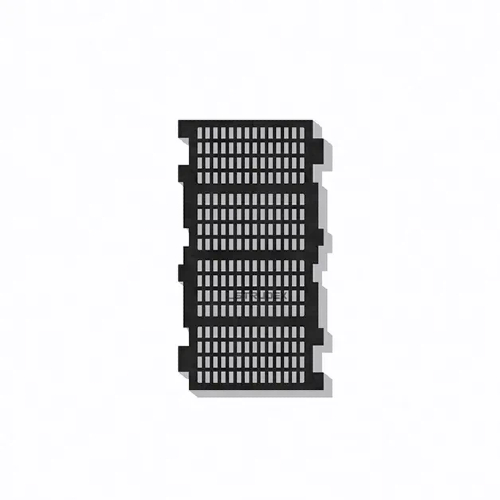
Rubber screen panels play a significant role in improving material flow during screening processes. Due to their elasticity and flexible design, rubber panels reduce the likelihood of material blockages, commonly known as pegging or blinding. This ensures a continuous and smooth flow of materials through the screen, preventing delays and improving overall productivity.
When compared to traditional wire mesh screens, rubber screens offer superior performance in wet or sticky conditions, where fine particles tend to clog up metal screens. The rubber panels can maintain consistent material separation even in such conditions, improving operational efficiency.
Rubber screen panels have a longer lifespan than traditional metal screens, which significantly reduces maintenance costs. The durable nature of rubber allows it to withstand continuous use without significant wear, which means fewer replacements are needed. This leads to lower downtime for maintenance and helps businesses save on repair and replacement costs.
Additionally, rubber screen panels require less frequent cleaning, as they are less likely to get clogged or blocked by materials. This results in fewer interruptions and a more consistent screening process.
Rubber materials have the ability to absorb vibrations and dampen noise, which is particularly beneficial in mining and aggregate screening operations. Traditional metal screens can produce high levels of noise and vibration, which not only affect worker comfort but can also cause damage to the surrounding equipment over time.
Rubber screen panels help reduce noise and vibration, creating a safer and more pleasant working environment. This reduction in noise also contributes to a quieter operation, which can be important for compliance with local noise regulations.
Rubber has excellent wear resistance, which means it can handle abrasive materials without deteriorating quickly. In industries like mining, where heavy and coarse materials are constantly passing through screening equipment, rubber panels provide superior protection. Their ability to withstand wear and tear means they maintain their structural integrity for a longer period, ensuring consistent screening performance.
The table below highlights the advantages of rubber screen panels in terms of wear resistance compared to traditional steel screens:
Screen Type | Wear Resistance | Lifespan | Maintenance |
Rubber Screen Panels | Highly resistant to wear and tear. | Longer lifespan due to durability. | Requires less frequent maintenance. |
Metal/Wire Mesh Screens | Prone to faster wear in high-impact conditions. | Shorter lifespan. | Requires frequent maintenance and replacement. |
Rubber screen panels are particularly beneficial in fine material screening, where precise separation is essential. The flexibility and elasticity of rubber allow the panels to conform to the material being processed, improving the accuracy of the screening process. As a result, rubber screens can deliver better performance when dealing with finer materials, reducing losses and enhancing overall productivity.
Rubber screen panels are significantly lighter than metal screens, which makes them easier to handle and install. This reduced weight can help extend the life of other equipment, as there is less strain on the supporting structures and vibrating motors.
Furthermore, while the initial cost of rubber panels may be higher, their durability and long service life make them more cost-effective in the long run. Fewer replacements and reduced downtime help offset the initial investment.
Rubber screen panels are more environmentally friendly than metal screens. Rubber materials are recyclable and have a lower environmental impact when disposed of. As industries are increasingly looking for sustainable solutions, using rubber screens is a step toward reducing the carbon footprint of screening operations.
Rubber screen panels are widely used in several industries, including mining, construction, recycling, and aggregates. Below is an overview of how they are applied across these industries:
Industry | Application |
Mining | Used in the screening of ores, aggregates, and other minerals. |
Construction | Used for sorting materials like gravel, sand, and recycled aggregates. |
Recycling | Efficiently screens recyclable materials such as plastics, metals, and paper. |
Aggregates | Screen large volumes of construction-grade materials, ensuring effective separation. |
Rubber screen panels excel in these industries due to their ability to handle a variety of materials, maintain consistent performance, and reduce downtime.
Choosing rubber screen panels for your screening needs offers numerous benefits. From improving operational efficiency to reducing maintenance costs, these panels are an excellent choice for businesses looking to optimize their screening processes. Their versatility, durability, and performance in high-impact conditions make them a reliable option for industries worldwide.
In conclusion, rubber screen panels significantly enhance screening efficiency by improving material flow, reducing maintenance costs, and boosting operational performance. Their exceptional durability, flexibility, and wear resistance make them indispensable in industries like mining, construction, and recycling. At Strudex Tech Co., Ltd., we are committed to providing high-quality rubber screen panels designed to meet the unique needs of your business. Whether you're looking to optimize production or improve the sustainability of your operations, our products are engineered to deliver long-lasting results. We understand the importance of efficiency and reliability in screening processes, and our team is ready to help you find the perfect solution for your needs. Contact us today to learn more about how our rubber screen panels can improve your operations and reduce downtime. Let us support you in achieving greater productivity and cost-effectiveness with our industry-leading products.
Rubber screen panels are made of high-strength rubber compounds, which provide exceptional durability and impact resistance, making them ideal for screening heavy and abrasive materials.
Rubber screen panels have a longer lifespan compared to metal screens. Their resistance to wear and tear reduces the need for frequent replacements, leading to lower maintenance and downtime costs.
Yes, rubber screen panels can be tailored to suit specific requirements such as hole shape, panel size, and rubber hardness, making them highly adaptable for various industries and material types.
Rubber screen panels improve screening efficiency by enhancing material flow, reducing blockages, providing greater wear resistance, and minimizing downtime due to less frequent replacements.
Yes, rubber screen panels are recyclable and have a lower environmental impact compared to metal screens, which helps businesses move towards more sustainable operations.


