+86-173-0318-1768
- All
- Product Name
- Product Keyword
- Product Model
- Product Summary
- Product Description
- Multi Field Search

Views: 0 Author: Site Editor Publish Time: 2026-03-03 Origin: Site


Pump rubber liners play a vital role in the efficiency and longevity of slurry pumps. These liners are essential for protecting the pump components from abrasive wear and corrosion caused by harsh materials like slurry, minerals, and chemicals. Without proper maintenance, these liners can degrade quickly, leading to pump failure, increased downtime, and higher maintenance costs. In this article, we will explore the best practices for maintaining pump rubber liners to ensure their long-lasting performance and efficiency.
Proper maintenance of pump rubber liners can greatly extend their service life, prevent costly replacements, and optimize the overall efficiency of slurry pumping systems. By following the guidelines outlined in this article, you can ensure that your pump rubber liners operate at peak performance for as long as possible.
Pump rubber liners are essential components of slurry pumps, typically used in mining, chemical processing, and water treatment plants. These liners are designed to protect the internal surfaces of the pump from the wear and tear caused by abrasive materials. The liners serve to prevent damage to critical pump components like the impeller, casing, and suction chamber, thereby extending the pump's overall lifespan.
Made from durable rubber compounds, these liners are resistant to a variety of corrosive and abrasive substances commonly encountered in industrial slurry pumping systems. They also help reduce the amount of friction between moving parts, thus improving the efficiency of the pump.
The primary function of pump rubber liners is to create a durable barrier that protects the pump from erosive and corrosive materials. The liner absorbs the mechanical stresses and chemical impacts that would otherwise damage the pump's metal components. This not only prevents damage to the pump but also ensures the slurry is pumped efficiently without disruptions.
Regular inspections are essential for maintaining the health of your pump rubber liners. Over time, the constant exposure to abrasive materials and mechanical stresses can cause the rubber to wear down. By inspecting the liners regularly, you can catch any issues early on and take corrective actions before they lead to costly repairs or complete liner failure.
When performing regular inspections on pump rubber liners, focus on the following key areas:
Inspection Area | Description |
Surface Condition | Check for visible wear, cracks, or damage to the surface. |
Physical Damage | Inspect for punctures, tears, or deformations. |
Alignment | Ensure the liners are properly aligned with the pump casing. |
The frequency of inspections depends on the pump's operating conditions. For pumps operating in harsh environments with heavy abrasive slurries, monthly inspections are recommended. However, for less demanding conditions, quarterly inspections might be sufficient. Regular inspections should be scheduled to ensure that liners are functioning at their best.
Dirt, debris, and mineral buildup can negatively affect the performance of pump rubber liners. These contaminants can increase friction between the liner and the pump casing, leading to faster wear and reduced efficiency. If left unaddressed, debris buildup can also clog the pump, reducing flow rates and increasing energy consumption.
Cleaning pump rubber liners is essential to maintain their efficiency. Here are the recommended steps for proper cleaning:
Turn off the Pump: Always ensure that the pump is turned off and all safety protocols are followed before starting any cleaning procedures.
Flush with Water: Use high-pressure water jets to flush out any loose debris from the liners and pump casing.
Soft Brushing: For stubborn debris, use a soft brush to gently scrub the surface of the rubber liners. Avoid using harsh abrasives that could damage the rubber.
Mild Cleaning Solutions: If necessary, apply a mild cleaning solution or detergent designed for rubber materials to help dissolve any stubborn build-up. Rinse thoroughly with clean water.
It is important to use the right cleaning agents when maintaining pump rubber liners. Harsh chemicals or abrasive cleaning agents can damage the rubber and shorten its lifespan. Mild, non-corrosive cleaners are the best option for cleaning the liners.
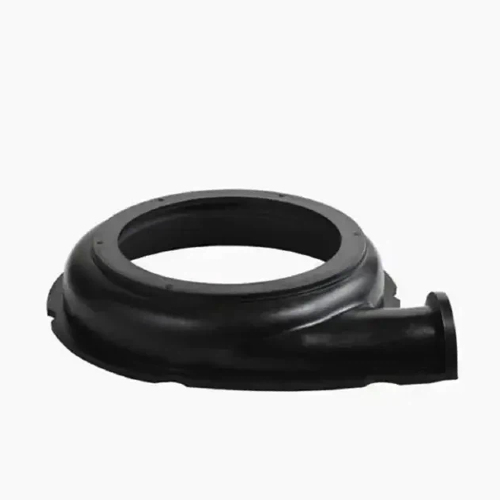
Preventive maintenance ensures that pump rubber liners are performing at their optimal levels throughout their service life. It involves monitoring the operational conditions of the pump and taking proactive steps to reduce wear and tear.
Monitoring the operating conditions of the pump, such as slurry density, temperature, and flow rate, can significantly reduce unnecessary stress on pump rubber liners. Here are some best practices:
Operating Condition | Recommended Action |
Slurry Density | Ensure slurry density is within the recommended range. |
Temperature Control | Monitor and prevent overheating of the pump. |
Flow Rate Control | Maintain optimal flow rates to reduce abrasive impact. |
Regular lubrication of moving components within the pump can help reduce friction and prevent unnecessary wear on pump rubber liners. There are various lubrication techniques and treatments available, such as using anti-friction coatings or lubricants that are safe for rubber materials.
When installing or removing pump rubber liners, careful handling is necessary to prevent physical damage. Ensure that liners are not dropped or exposed to sharp objects that could cause cuts or tears. Use appropriate lifting equipment and follow the manufacturer’s guidelines for installation and removal.
When not in use, pump rubber liners should be stored in a cool, dry environment away from direct sunlight or excessive heat. Rubber can degrade when exposed to UV radiation, high temperatures, or excessive moisture. Proper storage will help maintain the flexibility and durability of the rubber liners for future use.
Over time, even with proper maintenance, pump rubber liners will eventually wear out and need to be replaced. Signs that it’s time for a replacement include:
Severe wear that exposes the underlying metal components
Large cracks or tears that cannot be repaired by patching
Loss of alignment that affects pump performance
Small damages to pump rubber liners, such as minor cuts or abrasions, can often be repaired by applying rubber patching materials. This will temporarily extend the life of the liner until a full replacement is necessary.
To optimize the longevity of pump rubber liners, it is important to follow best practices that reduce stress on the liners and improve the overall pump efficiency. Here are some ways to maximize the lifespan of your pump rubber liners:
Choose the Right Liner Material: Select a rubber liner material that is best suited for the specific slurry conditions and operating environment.
Reduce Abrasive Materials: If possible, reduce the amount of abrasive particles in the slurry being pumped. This can significantly reduce wear on the liners.
Control Operational Speed: Avoid running the pump at excessively high speeds, as this can increase wear on the liners.
Maintaining pump rubber liners is essential for ensuring the prolonged performance and efficiency of slurry pumps. Regular inspections, cleaning, and preventive maintenance are key factors that can extend the service life of rubber liners, reduce downtime, and lower maintenance costs. By following the maintenance practices outlined in this article, you can significantly enhance the performance of your pump rubber liners and minimize the need for costly replacements.
At Strudex Tech, we specialize in providing high-quality, durable pump rubber liners designed to withstand the most demanding industrial conditions. Our expertise in manufacturing and maintaining these components ensures optimal performance and longevity. For more information on how we can assist you with your pump rubber liner needs or to inquire about our products, feel free to contact us directly. We are here to help optimize your pump operations and provide reliable solutions tailored to your specific requirements.
Regular inspections should be conducted based on the intensity of use, with monthly inspections recommended for high-demand environments.
Using high-pressure water jets and soft brushes is the best method for cleaning rubber liners. Mild detergents can be used for stubborn dirt, but harsh chemicals should be avoided.
If the liner shows significant wear, cracks, or other physical damage that cannot be repaired, it’s time for a replacement.
Yes, storing rubber liners in a cool, dry place away from direct sunlight and extreme temperatures will help preserve their durability.


