+86-173-0318-1768
- All
- Product Name
- Product Keyword
- Product Model
- Product Summary
- Product Description
- Multi Field Search

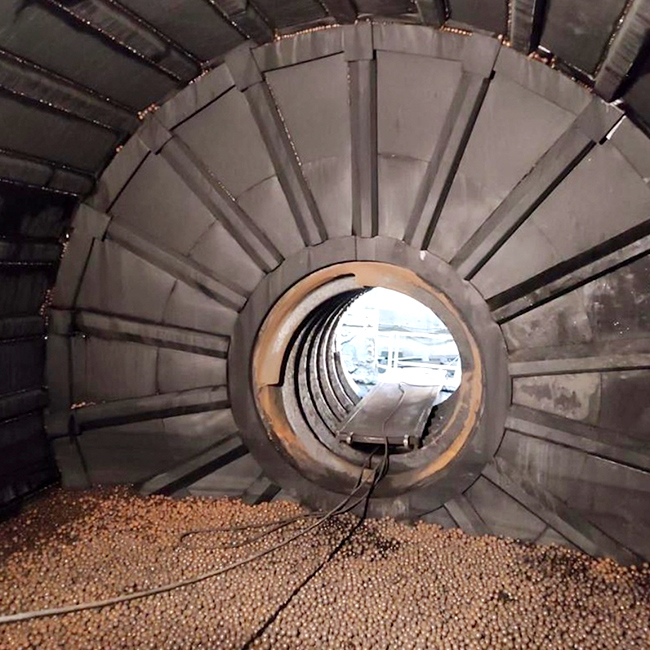 |

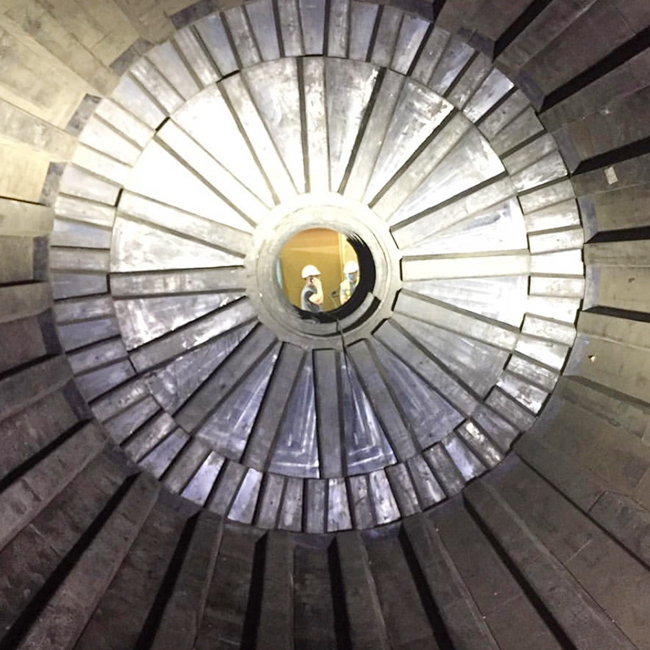


Strudex mill linings can use rubber components throughout or combine steel-top elements with rubber liners. These constructions answer different combinations of abrasion, impact and profile retention. Material, thickness and shape are selected together around the mill dimensions and grinding process.
A useful comparison starts with where the charge contacts the lining and how the lifters and plates work together, rather than choosing the heaviest section or the hardest material.
| Quantity: | |
|---|---|
Strudex custom mill linings combine a protective wear surface with the internal contour that meets the grinding charge. An all-rubber arrangement and a steel-top arrangement with rubber liners are different constructions, not simply different weights of the same part. Choose between them by the contact duty at each location and by the profile the mill needs through the operating campaign.
| Parameter | Product specification |
|---|---|
| Product type | Custom-molded mill lining |
| Primary lining material | Rubber |
| Configuration options | All-rubber lining or steel-top elements with rubber liners |
| Application | Grinding mills in mineral processing |
| Thickness selection | Matched to wear duty and internal working space |
| Shape and profile | Molded for the mill and grinding process |
| Design basis | Grinding and process parameters |
| Configuration | Material function | Decision that follows |
|---|---|---|
| All-rubber lining | The resilient rubber is the surface contacted by ore, slurry and media. Its deformation and recovery contribute to the response to repeated contact. | Assess abrasive loss together with cutting, tearing and the severity of impacts. Rubber thickness alone does not identify the complete working contour. |
| Steel-top elements with rubber liners | A metal working element and the surrounding rubber share the lining duty. Their arrangement determines which material receives the direct contact at each position. | Identify the steel-top locations and the geometry around them. Do not assume that every rubber section or every exposed face becomes a metal composite. |
| Different constructions by wear zone | The mill can expose one region to concentrated impact and another mainly to sliding contact. | Compare the selected sections as one installed arrangement, keeping the transitions and retained parts compatible. A local duty need not dictate an identical section everywhere. |
Rubber and steel are selected for how they behave in the application. A hard working surface can resist one wear mechanism yet leave an edge, attachment or supporting section vulnerable. Rubber can cushion contact yet be damaged by sharp cutting or an excessive local load. The practical aim is an appropriate material at the actual contact surface, supported by a shape that remains useful as it wears.
Additional lining thickness puts more material between the charge and shell, but occupies internal space. The comparison should be made between complete new-liner arrangements. Comparing a proposed new lining against a heavily worn old set overstates the apparent loss of space and overlooks the geometry the mill originally operated with. Available volume, charge behavior and wear allowance belong in the same selection decision.
| Dominant observation | What it says about the required construction |
|---|---|
| Broad, gradual wear on the face | Examine the wear allowance and the changing profile under representative feed and media. A smooth average loss is a different material problem from an isolated cut. |
| Cuts, torn edges or missing local material | Identify sharp feed, occasional oversize and the load at that position. Look at edge support and transitions before deciding that the whole lining needs a harder surface. |
| Useful profile lost before protection is exhausted | Review lifter and plate proportions. Remaining rubber is not the only endpoint if charge engagement no longer suits the grinding duty. |
| Leakage or movement near an attachment | Separate the sealing or fastening interface from wear-face selection. Changing the rubber grade will not define a missing sealing detail or restore a damaged shell seat. |
The rubber specification must also match the process environment. Temperature, water chemistry, reagents and any oil contact can affect suitability independently of ore abrasion. Identify the compound attached to the quoted drawing and the particular wear position.
Send Strudex the arrangement drawing and the wear mechanism you need the next lining to address. A precise material-and-profile requirement allows rubber and steel-top options to be compared without assuming a guaranteed energy reduction, fixed service life or automatic recovery improvement.


