+86-173-0318-1768
- All
- Product Name
- Product Keyword
- Product Model
- Product Summary
- Product Description
- Multi Field Search

Views: 0 Author: Site Editor Publish Time: 2025-11-21 Origin: Site


A rotary mill is essential in industries ranging from mining to food processing. It grinds, crushes, and refines materials with precision and efficiency. Understanding its function and benefits can help optimize production processes.
In this article, we will explore the main uses of a rotary mill, including its applications in various industries. You will learn how rotary mills improve productivity, precision, and efficiency, and how selecting the right mill can enhance your operations.
Rotary mills provide high‑throughput grinding and size reduction in varied industries.
Their design supports precision, speed, and versatility among materials.
Selecting the right rotary mill depends on capacity, material type and support gear (e.g., mill liners).
Maintenance, wear parts and supporting supplies (e.g., from Strudex) strongly influence ROI.
Comparing them with other milling machines clarifies when a rotary mill is the best fit.
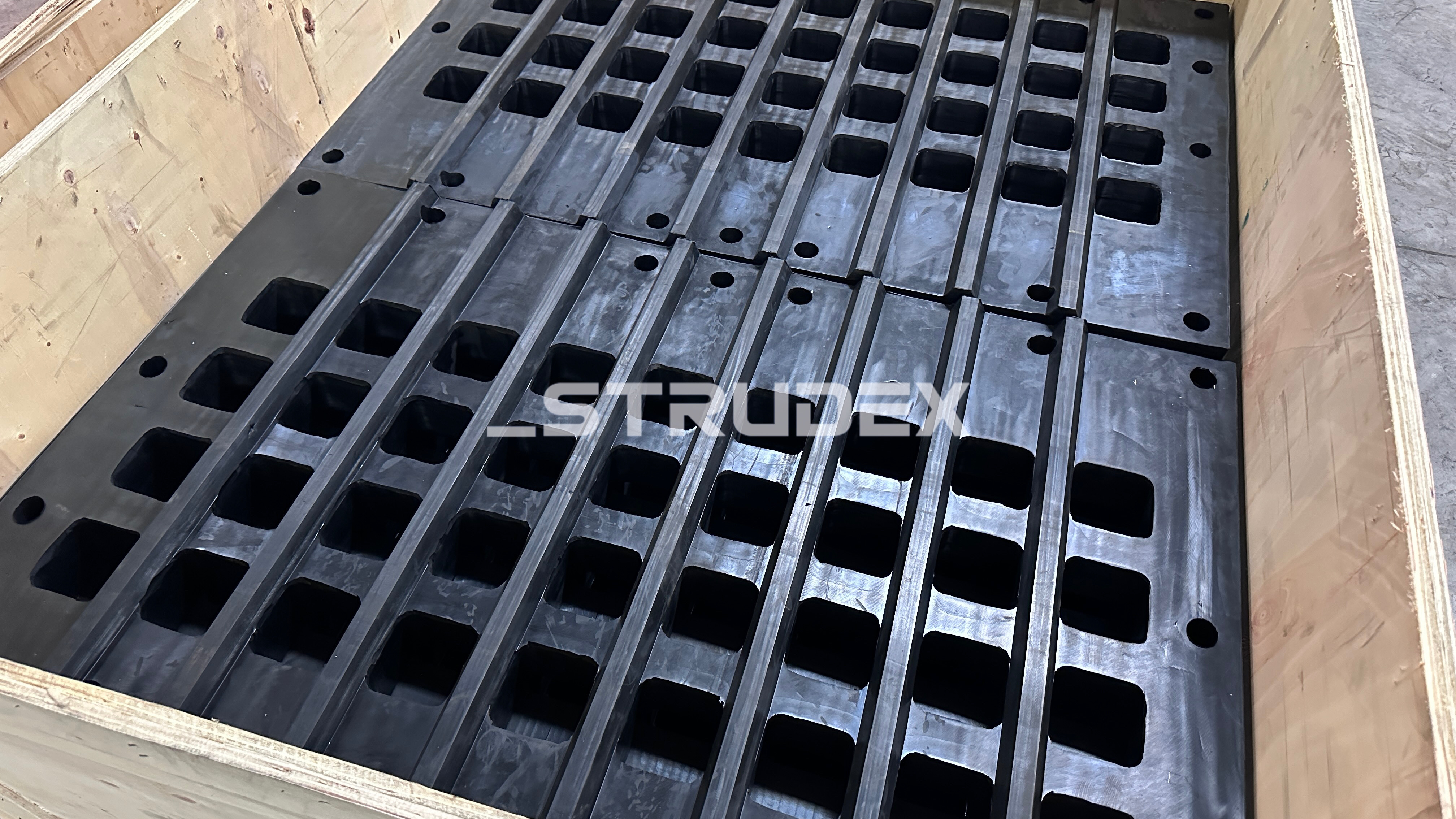
A rotary mill is a large, rotating cylindrical device that processes raw material by mechanical action — impact, shear, attrition — and lowers particle size. Material enters the drum; grinding media or liners inside force the material to break down. Rotating at controlled speed, the mill processes large volumes effectively.
It handles a range of hardness and sizes. The operator sets rotation speed, media size, feed rate and rejects size. The internal parts — like the liner, grinding media and the shell — determine performance.
Here’s a comparison of major types:
| Type | Orientation | Best suited for | Key traits |
|---|---|---|---|
| Vertical rotary mill | Vertical axis | Precision machining, small parts | Compact footprint, finer finish |
| Horizontal rotary mill | Horizontal axis | Bulk material grinding, heavy duty | High throughput, large volume |
| Combination rotary mill | Mixed/Adaptable | Versatile tasks mixing fine + bulk stages | Flexible orientation/configure |
Note: A rotary mill’s internal wear‑parts — especially the mill liner — must be tailored to orientation and material for optimal lifespan.
In manufacturing, a rotary mill allows the production of precision components: metals, plastics, composites. It excels when you need exact control over particle size, surface finish or part geometry.
For example, in aerospace, parts often require strict tolerances — a rotary mill can deliver those. In this context, using a high‑quality mill liner ensures consistent product outcome and less downtime.
In mining operations, rotary mills grind ores (like copper, gold, iron) into fine particles to liberate valuable minerals. They handle large feeds over long cycles.
Here’s a quick data snapshot (example):
| Ore Type | Typical Feed Size | Target Discharge Size |
|---|---|---|
| Gold‑bearing quartz | 100 mm | < 200 µm |
| Iron ore | 50 mm | < 75 µm |
| Copper oxide | 80 mm | < 150 µm |
The mill must be robust; liners (e.g., from Strudex) absorb impact wear and reduce downtime.
Fine grinding is often the final step in formulation. A rotary mill enables consistent particle size distribution (PSD) and high throughput — critical for tablet uniformity, chemical reaction surfaces or pigment dispersion.
In these industries, materials are often abrasive or reactive — so the mill liner material must resist chemical attack, abrasion and maintain integrity.
In food production, e.g., flour milling, spice grinding or coffee bean processing, durability and hygiene both matter. A rotary mill can handle bulk grains or spices, producing uniform powders or granules under controlled conditions.
Considerations: food‑grade materials, clean‑in‑place design and minimal contamination risk. Even here, wear surfaces matter.
One of the key advantages of using rotary mills is their ability to achieve high precision and accuracy. The machines can finely grind materials to specific particle sizes, which is essential for industries like aerospace, medical manufacturing, and electronics, where even the smallest deviation can result in defects.
In such environments, margin for error is minimal — even a minute difference in particle size can affect final product performance.
Rotary mills are designed for efficiency, offering quick material removal and processing. The high-speed rotation of the grinding media reduces the time needed to achieve the desired material size. This increased efficiency helps save on both time and operational costs.
From a business perspective: faster cycles = higher utilization = improved ROI.
One of the strongest advantages: the same rotary mill (or a configurable one) can handle metals, ceramics, plastics, minerals, food products.
This flexibility is key in multi‑product plants or when material mix changes. Using modular liners (mill liner) or adaptable media configuration from suppliers like Strudex helps you switch applications faster.
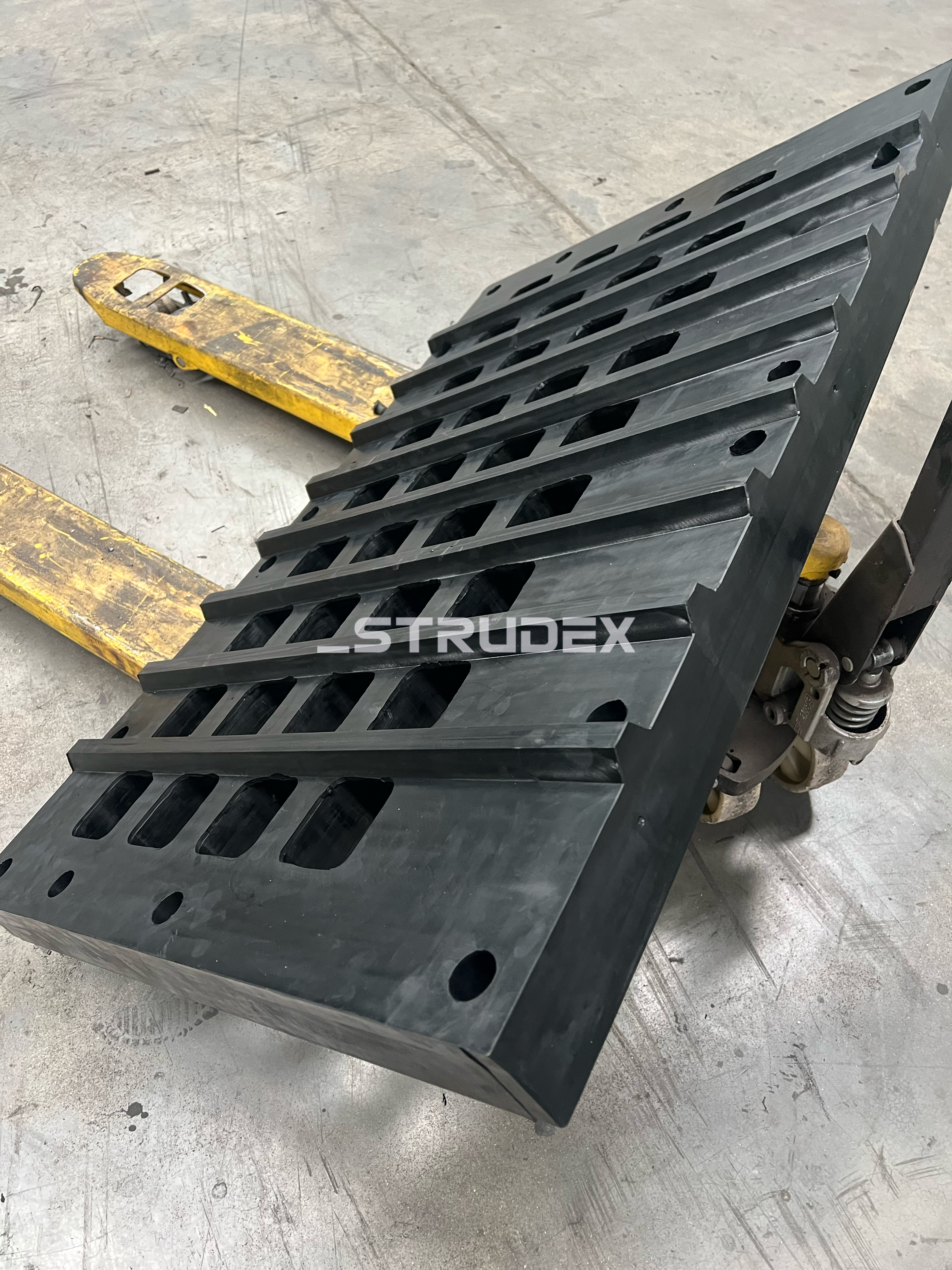
When selecting your rotary mill, evaluate:
Production capacity (tons per hour or per day)
Material characteristics (hardness, abrasiveness, moisture)
Target particle/discharge size
Energy consumption and operational cost
Availability of spare parts and wear‑parts (e.g., liners)
Here’s a quickdecision table:
| Parameter | Rule of thumb |
|---|---|
| Feed material size | Smaller size → higher cost; larger size may need pre‑grinding |
| Abrasiveness | More abrasive → liner upgrade needed |
| Throughput required | Higher throughput → larger diameter or higher speed |
| Space constraints | Vertical orientation saves footprint |
Operational uptime hinges on durability of internal parts — especially the mill liner. Poor liner choice leads to downtime, inconsistent output and higher maintenance cost.
Strudex Tech Co., Ltd. offers wear‑resistant rubber-lined mill liner solutions designed for mining and grinding applications. Using high‑quality liners improves service life, reduces change‑out frequency and ensures consistent performance.
Both are grinding machines but differ in key ways:
| Feature | Rotary Mill | Ball Mill |
|---|---|---|
| Orientation | Rotating drum, high volume | Cylindrical, slower speed |
| Throughput | High | Lower, often batch |
| Grinding action | Impact, shear, attrition | Mainly impact and cascading balls |
| Best for | Continuous processes, wide range of sizes | Finishing, smaller batch work |
If you need continuous high throughput and varied material types, choose a rotary mill.
Hammer mills use fast‑moving hammers to crush material; ideal for coarse grinding. Routray:
| Machine | Best for | Limitation |
| Rotary Mill | Fine grinding, precision jobs | Higher capital cost, more complex setup |
| Hammer Mill | Bulk coarse grinding | Less control, less fine output size |
If your goal is precision milling rather than brute crushing, a rotary mill is the right choice.
The rotary mill is a versatile and efficient tool for material processing. It enhances throughput, precision, and adaptability in industries like manufacturing, mining, chemicals, and food. Selecting the right mill requires evaluating factors such as capacity, material type, and wear components like liners. Strudex provides high-quality wear parts, particularly mill liners, that improve performance and longevity. By choosing the right equipment and collaborating with trusted suppliers, businesses can reduce downtime and increase return on investment. Strudex’s solutions ensure that operations run smoothly and efficiently, maximizing productivity.
A: A Rotary Mill is primarily used for grinding, crushing, and refining materials in various industries. It processes materials like metals, plastics, and food products by reducing particle size with rotating grinding media.
A: A Rotary Mill uses rotating drums and grinding media (e.g., steel balls or rods) to break down materials. The materials are fed into the drum, where they are ground into smaller particles as the grinding media rotates, creating impact and shear forces.
A: Rotary Mills provide precision, efficiency, and versatility. They are ideal for high-throughput operations and can process various materials with precision. Their design allows for customizable grinding, making them suitable for industries like mining, manufacturing, and food processing.
A: Mill liners protect the Rotary Mill’s interior, reducing wear and tear on the machine. High-quality liners ensure better performance and longer service life, especially when dealing with abrasive materials.
A: Rotary Mills are widely used in industries like manufacturing, mining, chemicals, pharmaceuticals, and food processing for tasks like material grinding, size reduction, and refining.


