+86-173-0318-1768
- All
- Product Name
- Product Keyword
- Product Model
- Product Summary
- Product Description
- Multi Field Search

 |


| Quantity: | |
|---|---|
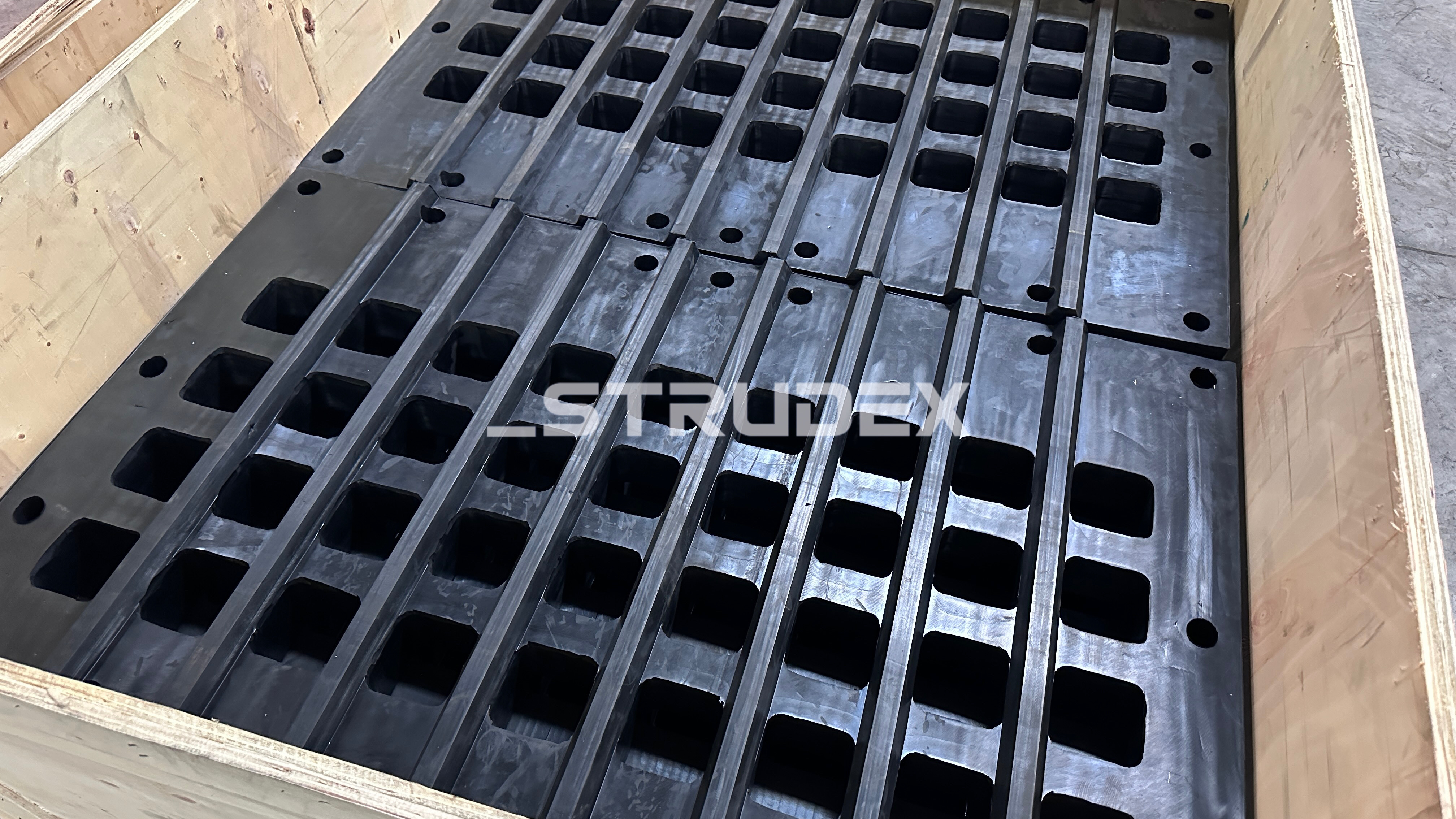
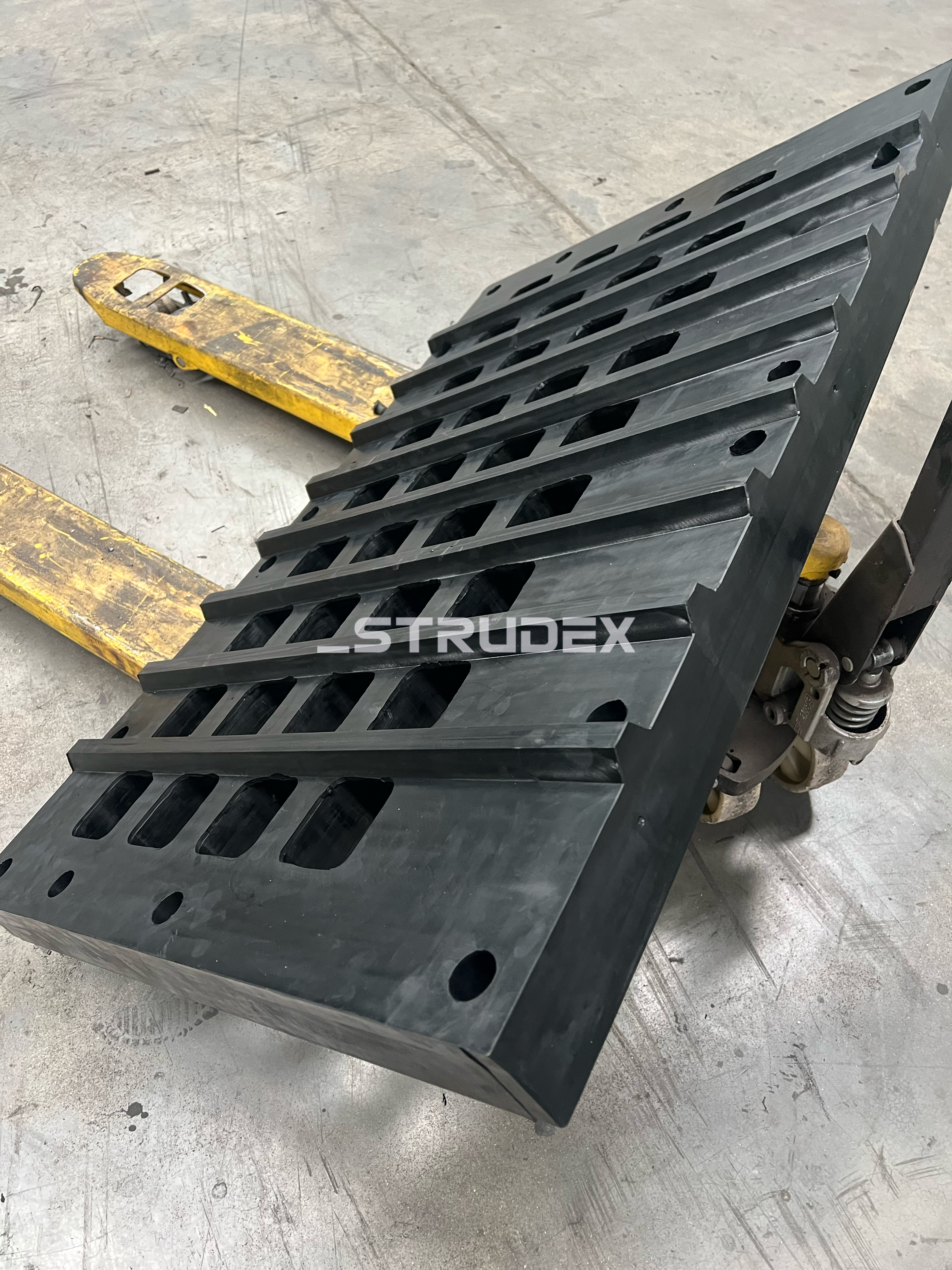
In the demanding world of mineral processing and aggregate screening, operational efficiency is not just about throughput—it is about maximizing uptime, reducing maintenance costs, and adapting to dynamic material loads. At Strudex, we have re-engineered the humble sieve plate to be a strategic asset in achieving these goals. Our rubber sieve plates are precision-crafted to deliver a superior lifecycle, offering a robust solution that bridges the gap between heavy-duty durability and rapid, tool-free adaptability.
We understand that in a modern processing plant, every minute of downtime translates directly to lost revenue. Traditional screening media often forces operators to choose between longevity and ease of maintenance. Strudex eliminates this compromise by engineering our plates for seamless integration into existing infrastructures while ensuring they stand up to the harshest conditions. By choosing Strudex, you are investing in a component that protects your machinery, reduces noise pollution, and keeps your production line moving.
The hallmark of the Strudex sieve plate system is our philosophy of customization. We reject the "one-size-fits-all" approach because we recognize that every screen deck, every material type, and every maintenance crew has unique requirements. To accommodate this, we offer three distinct mounting configurations. This variety ensures that whether you prioritize rapid changeovers or the rigidity required for primary screening, there is a Strudex solution engineered specifically for your workflow.
1. The Bolt-On System: Maximum Stability for Primary Applications
For operations involving high tonnage and aggressive vibration—typically in the primary and secondary screening stages—the Bolt-On design remains the industry standard for a reason. Strudex has refined this classic method to ensure absolute security. Our precision-molded plates feature reinforced countersunk holes designed to accept specialized bolts that sit flush with the plate surface, protecting the hardware from wear. This system provides a rigid, vibration-dampening connection that prevents the plate from lifting or shifting, ensuring accurate cut points and extending the life of both the plate and the sub-frame. It is the ideal choice for applications where failure is not an option.
2. The Sleeve & Pin System: Precision  Alignment with Reduced Downtime
When your operation demands a balance between rapid maintenance and structural integrity, the Sleeve & Pin system excels. This innovative design utilizes integrated sleeves that lock onto corresponding pins on the deck frame. This method ensures perfect, tool-guided alignment every time, eliminating the guesswork often associated with plate replacement. The result is a significant reduction in changeover time compared to bolted systems. For operations running multiple shifts, the hours saved during scheduled maintenance directly boost the bottom line by returning the screen to full production capacity faster.
3. The Snap-In System: The Pinnacle of Convenience
For operators who frequently change screen media to adapt to different product specifications, or for those cleaning sticky materials, the Snap-In option is a game-changer. This truly tool-free solution allows a single worker to replace a plate in seconds. The design relies on the inherent flexibility of our high-grade rubber, allowing the edges to compress and lock securely into a specialized frame profile. This system drastically minimizes labor costs and encourages proactive maintenance, as plates can be swapped out the moment wear is detected, preventing unexpected breakage and protecting the screen deck structure.
4. The Tensioning System: Optimized for Modular Decks and Wet Screening
For operations utilizing modular screening decks or processing materials with high moisture content, the Tensioning System offers a dynamic mounting solution that maximizes screen tension for precise material separation. Unlike rigidly fixed plates, this method relies on a robust tensioning mechanism—typically utilizing tension rails and wedge blocks or tension bolts—to stretch the rubber screen panel tightly across the deck.
This approach is particularly effective in dewatering applications or when screening sticky materials where maintaining proper screen tension is critical to preventing blinding. The constant, uniform tension across the Strudex rubber plate ensures consistent aperture size throughout the deck, guaranteeing accurate cuts and preventing material from pooling or rolling rather than screening.
5. The Hold-Down System: Precision Fastening for High-Wear Zones
The Hold-Down System is Strudex’s specialized solution for protecting the most vulnerable areas of your screening plant. Often used in conjunction with other mounting types, hold-downs are strategically placed components—typically rubber strips, bars, or blocks—that are fastened over the edges of standard screen plates to secure them against extreme lift and impact.
This system is essential for "wearing parts" that protect the screen box itself, such as feed box liners, lip plates, and side rail protectors. By utilizing mechanical clamps or countersunk fixing points to secure these sacrificial wear elements, the Hold-Down System ensures that the underlying support structure remains untouched by abrasive materials. It acts as the first line of defense, absorbing the brunt of the impact at the material feed point.
While our mounting flexibility streamlines installation, the true value of a Strudex sieve plate is realized over years of continuous service. We utilize advanced, abrasion-resistant rubber compounds that are chemically formulated to resist wear from wet or dry materials. This material choice offers a profound advantage over traditional steel punch plates or woven wire mesh:
Self-Cleaning Action: The natural elasticity of rubber allows it to flex under load. This constant motion helps to eject lodged particles, significantly reducing material blinding and pegging. This ensures a consistent open area for screening, maintaining high throughput rates without manual intervention.
Noise Reduction: In an era of increasing focus on occupational health and safety, the acoustic damping properties of rubber are invaluable. Strudex plates can reduce operational decibel levels by up to 50% compared to metal screening media, creating a safer and more comfortable environment for your workforce.
Impact Resistance: Our rubber absorbs the kinetic energy of falling rocks and heavy material loads, protecting the screen deck from damage and reducing the risk of cracking in the support structure.
Strudex rubber sieve plates are more than just a wear part; they are a modular solution designed to optimize the heart of your processing plant. By offering Bolt-On stability, Sleeve & Pin precision, and Snap-In convenience, we empower you to customize your approach to maintenance and production. Upgrade your screening operation with Strudex—where robust engineering meets ultimate flexibility.


