+86-173-0318-1768
- All
- Product Name
- Product Keyword
- Product Model
- Product Summary
- Product Description
- Multi Field Search

Views: 0 Author: Site Editor Publish Time: 2025-10-22 Origin: Site


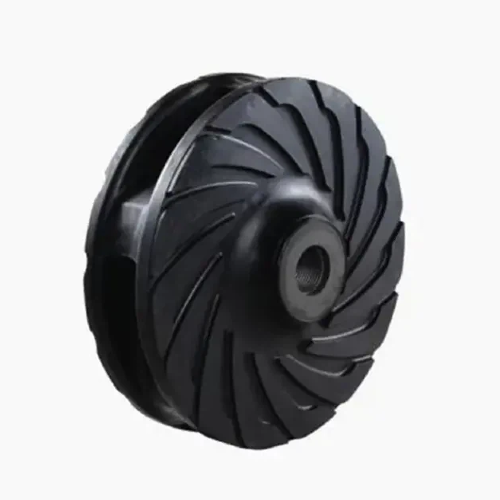
You want your mill liner to work well and not cost too much. Rubber liners are the best choice for most mills today. Picking the right material saves money and stops long breaks. It also helps your mill work without problems. The main types are steel, rubber, and ceramic-rubber composite. Market trends show rubber is now the leader in mill liners around the world:
The global mill liner market was about $3.5 billion in 2023.
Rubber is the top choice in 2024.
Composite liners are growing quickly.
Rubber liners are often picked for most mills. They are light and easy to put in. They help make less noise. They work best in wet grinding places.
Steel liners last a long time and do not wear out fast. They are good for tough grinding jobs. But they are heavy and harder to install.
Composite liners mix ceramic and rubber. They do not wear out fast and can take hard hits. They are good for places where things wear out quickly.
Picking the right mill liner can save money on repairs. It can also cut down on time when the mill is not working. This helps the mill work better and faster.
Checking and fixing liners often is very important. This helps them last longer and keeps the mill working well.
Choosing the right mill liner helps your mill work better. The liner type changes how much you can process. It also changes how much energy you use. The liner even affects the size of your final product. Lighter liners can help you process more and use less energy. Sometimes, as liners wear out, your mill works even better. The table below shows how different liners and designs change how your mill works:
Key Performance Metric | Effect of Liner Material Choice |
|---|---|
Throughput | Improved with reduced mass liners |
Energy Consumption | Reduced with shorter life liners |
Product Size | Enhanced as liners wear |
Thinner liners often help your mill run smoother. Picking the best material can really help your mill every day.
The liner material you pick changes how often you stop for repairs. Some liners, like manganese steel, are strong and last a long time. High-chrome steel liners are good for fine grinding and do not need to be changed often. Rubber liners are light and easy to move, so you spend less time fixing them, especially in wet mills. Composite liners are strong and last a long time too. The table below shows how each material changes maintenance and downtime:
Material Type | Key Properties | Impact on Maintenance and Downtime |
|---|---|---|
Manganese Steel Liners | Tough, work-hardening | Fewer repairs in heavy-duty mills |
High-Chrome Steel Liners | Excellent wear resistance | Less downtime for fine grinding |
Lightweight, absorbs impact | Less maintenance in wet mills | |
Composite Liners | Durable, energy efficient | Longer life, fewer replacements |
The right liner helps you avoid surprise stops and keeps your mill working well.
You want to save money over time, not just at first. The cost of liners includes the price, how often you change them, and the work needed. Liners that last longer or are easy to put in can save you money. Rubber and composite liners are lighter, so you can put them in faster and with less work. This means you pay less for labor and lose less time making products. When you look at everything, picking the right liner helps you save money and get the most for your mill.
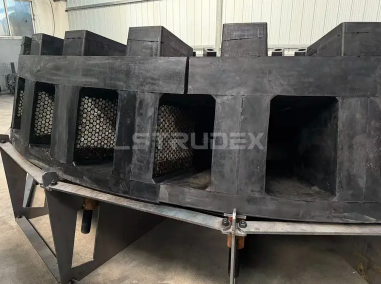
Steel mill liners are used for tough grinding jobs. These liners are made from different steel alloys. Each alloy is picked for a special job in the mill. High chrome steel liners are good for fine grinding. They do not wear out fast. Manganese steel is very tough and can take big hits. Alloy steel is best for hard ore. The table below shows how each steel liner is different:
Alloy Type | Hardness Level | Toughness Level | Abrasion Resistance | Application Context |
|---|---|---|---|---|
High Chrome White Iron (Tough 25) | High | Moderate | Very High | Lower row of gyratory liners |
Manganese Steel | Moderate | High | Moderate | Top row of gyratory liners |
Alloy Steel | Moderate | High | High | Hard ore processing |
Granite 25 High Chrome Iron | High | Moderate | Very High | Apron feeder and surge bin liners |
15-3 High Chrome Iron | Moderate | Moderate | Moderate | Cost-effective apron feeders |
AR Plate | Low | Low | Low | Low wear points in surge bins |
Tip: Steel liners are strong. They last longer in dry grinding or with hard rocks.
Rubber mill liners help make less noise. They are easy to put in. You can get them in natural or synthetic rubber. Most rubber liners are between 40 and 60 Shore A in hardness. The right thickness keeps your mill safe and working well. Rubber liners are light, so you can move them fast. This saves time and work.
Made from high-grade natural or synthetic rubber
Hardness: 40-60 Shore A
Thickness helps protect and improve performance
Note: Rubber liners are best for wet grinding. They soak up hits and lower how much fixing you need.
Ceramic-rubber composite liners are also called 2-in-1 liners. They mix the best parts of ceramic and rubber. The ceramic part is very hard and does not wear out fast. The rubber part takes in hits and bends a little. You can use these liners in mining, cement, and other places. The table below shows what each part does:
Property | Ceramic Component | Rubber Component |
|---|---|---|
Hardness | High | Low |
Durability | Excellent | Moderate |
Flexibility | Low | High |
Impact Absorption | Low | High |
Wear Resistance | Excellent | Moderate |
You get great wear resistance and impact absorption with these liners. They last a long time and do not need much fixing.
Steel liners give your mill many benefits. They are very tough and last a long time. Steel liners use high-chrome steel, which is strong. This helps your mill run longer without stopping often. AR steel can handle lots of wear. It works well where there is always friction. The steel is made harder to fight impact and abrasion. This means you do not need to replace them as much. Steel liners in cataract mills work well for grinding. They can take heavy hits and keep working. Using steel liners means fewer shutdowns and steady work.
Key advantages of steel liners:
High wear resistance for tough grinding jobs
Strong structural integrity keeps your mill safe
Long service life reduces downtime
Best choice for cataract mills with heavy impacts
Tip: Steel liners help your mill stay safe and work well, especially when grinding hard rocks.
Rubber liners make your mill easier to use. They lower noise by soaking up impacts. This makes your work area quieter and safer. Rubber liners are light, so you can put them in fast. You can move them easily, which saves time and lowers injury risk. Rubber liners do not wear out quickly in wet grinding. They are best for mills where grinding is gentle and steady.
Main advantages of rubber liners:
Lower noise levels for a better work environment
Easy and safe installation due to light weight
Good wear resistance in wet grinding
Best for abrasion and cascade mills
Note: Rubber liners help you save time and money. They make fixing your mill simple and keep noise low.
Composite liners mix ceramic and rubber for strong protection. You get the hardness of ceramic and the impact absorption of rubber. These liners last a long time, even in places with lots of wear. You do not need to replace them often, so you save on maintenance. They are easy to put in, so your mill can start working fast. Composite liners work in many industries. They are good when you need both strength and flexibility.
Top advantages of composite liners:
Excellent wear resistance and impact absorption
Long-lasting performance with low maintenance costs
Easy installation reduces downtime
Great for high-wear applications
You can trust composite liners to protect your mill and last a long time, even when grinding is tough.
Steel liners are strong, but they have some downsides. These liners are very heavy. Moving and putting them in is hard work. You might need special tools or more people to help. If you use steel liners in the wrong mill, they can wear out fast. The table below lists the main problems:
Disadvantage | Description |
|---|---|
Weight | Metallic wear liners are heavy, which complicates handling and installation. |
Installation Complexity | Ceramic wear liners are difficult to install, prone to detachment, and cannot be easily cut or formed. |
Note: Heavy liners can slow down your work and make it cost more.
Rubber liners are quiet and easy to put in, but they do not always work well. If you use them with sharp or rough materials, they wear out faster. Harder rubbers last longer, but they do not absorb hits as well. Softer rubbers take hits better, but they wear out quickly. How long rubber liners last depends on how you use them and where. You need to think about cost, time for repairs, and how long the liner will last.
Harder rubbers can handle big hits and cuts.
Soft rubber works best with small or medium pieces.
The size, shape, and speed of the particles change how fast the liner wears out.
Tip: Rubber liners are not good for mills with lots of hard hits or very tough materials.
Composite liners mix ceramic and rubber, but they have some issues too. The ceramic part has tiny holes, which can make it rough. If water gets under the ceramic, the layer can peel off. This is called delamination. These liners cannot take damage from sharp things like sand. The ceramic also keeps heat inside, which can make other parts wear out faster.
Challenge Description | Details |
|---|---|
High Porosity | Ceramic has a high (2–5%) porosity value and can become abrasive. |
Damage Handling | It can’t handle damage from abrasive particles, such as sand. |
Delamination Risk | Water can intrude under the ceramic surface, causing the layer to peel. |
Insulation Issues | Ceramic keeps heat in, which can age other materials faster. |
You should check your composite liners often, especially if your mill is wet or has sand.
Steel liners are used in mills that do hard grinding. These liners work best when there are big impacts and heavy loads. You can use them in AG/SAG mills, rod mills, and primary grinding ball mills. Steel liners help your mill last longer. They also help you stop the mill less often. The table below shows where you can use steel liners and what you get:
Type of Mill | Performance Outcomes |
|---|---|
AG/SAG Mill | Liners last longer and mills stop less. You can make more money. |
Rod Mill | Mills run longer and make more products. |
Primary Grinding/Ball Mill | You save money because you stop less and pay less to install liners. |
Tip: Use steel liners in mills that do heavy grinding. This helps you avoid breaks and losing parts.
Rubber liners are good for mills where you want less noise. They also make fixing the mill easier. You can use rubber liners in SAG mills, ball mills, and rod mills. Rubber liners work best when grinding is wet or when there is a lot of rubbing. They protect the mill shell and help you spend less on repairs. The table below shows how rubber liners work in different mills:
Type of Mill Liner | Application Description | Performance in Abrasion/Cascade Environments |
|---|---|---|
SAG Mill Liners | Used in mining to grind big pieces. They can take strong hits. | Rubber lasts long and protects well. |
Ball Mill Liners | Used to make fine powders in mineral plants. | Good rubber keeps the mill safe and lasts longer. |
Rod Mill Liners | Used when grinding with steel rods. | Rubber works well in these special mills. |
Double Wave Liners | Has a wave shape to lift and move the grinding balls. | Helps the mill work better and saves energy. |
Note: Rubber liners help you fix your mill less and keep it working well.
Composite liners mix ceramic and rubber for both strength and bend. You can use them in mills that need to last a long time and take hard hits. Many people pick composite liners for tough grinding or to stop liners from breaking. You can also use them with other materials like high-chrome steel or manganese steel. This helps your mill work its best and stop less. Composite grate plates use a steel frame and rubber. They handle high pressure and stop problems like clogging. Picking the right liner for your mill keeps it safe and helps you lose less material.
Picking the best liner for your mill stops breaks, saves parts, and helps your mill work better.
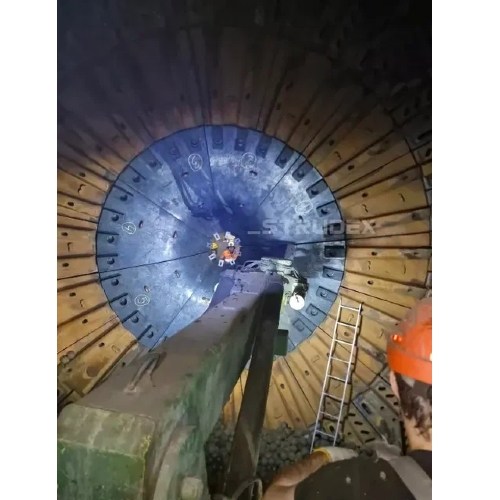
When you choose mill liners, you want to know how well they stand up to tough jobs. Abrasion and impact resistance are two important things to look at. Abrasion means how well the liners fight against being worn down by grinding materials. Impact resistance shows how well the liners handle strong hits from rocks and balls.
Steel liners give you strong impact resistance. You can use them in mills where rocks hit hard and often. Steel liners also offer good wear resistance, so they last longer when grinding tough materials. Rubber liners absorb hits well. They protect your mill from damage and lower the risk of cracks. Rubber liners also show good wear resistance, especially in wet grinding. Ceramic-rubber composite liners mix the best parts of both. The ceramic part gives you high wear resistance. The rubber part adds impact resistance, so the liners do not break easily.
Here is a table to help you compare the abrasion and impact resistance of different mill liner materials:
Material Type | Abrasion Resistance | Impact Resistance | Best Use Case |
|---|---|---|---|
Steel | High | Very High | Dry grinding, heavy impacts |
Rubber | Moderate | High | Wet grinding, noise control |
Ceramic-Rubber | Very High | High | High-wear, mixed environments |
Tip: If you want the best wear resistance, look at ceramic-rubber composite liners. If you need the highest impact resistance, steel liners are your best choice.
You want your mill liner to last as long as possible. Service life means how many hours or months the liners work before you need to replace them. The service life depends on the materials, the grinding job, and how you use the mill.
Steel liners last a long time in mills with hard rocks and strong impacts. You can use them for many months before changing them. Rubber liners have a good service life in wet grinding. They do not wear out quickly and are easy to replace. Ceramic-rubber composite liners give you the longest service life. The ceramic part fights wear, and the rubber part handles impacts. You spend less time and money on repairs when you use these liners.
Here are some things that affect service life:
The hardness of the grinding materials
The speed of the mill
The type of liner you choose
Note: You can make your liners last longer by picking the right material for your mill and checking them often.
Noise and safety matter when you work near a mill. Loud mills can hurt your ears and make work harder. You want liners that keep noise low and protect you from accidents.
Rubber liners help you the most with noise. They absorb impacts and make the mill much quieter. You can work safely and talk to others without shouting. Steel liners make more noise because they do not absorb impacts as well. Ceramic-rubber composite liners also lower noise. The rubber part helps keep the sound down, and the ceramic part protects the mill.
Safety is important too. Lighter liners, like rubber and composite, are easier to move and install. You do not need heavy tools or big teams. This lowers the risk of injury. Steel liners are heavy and harder to handle, so you need to be careful.
Material Type | Noise Level | Safety Features |
|---|---|---|
Steel | High | Heavy, needs careful handling |
Rubber | Low | Lightweight, easy to install |
Ceramic-Rubber | Low | Lightweight, strong protection |
If you want a safe and quiet mill, rubber or ceramic-rubber composite liners are the best choice.
When you think about mill liner costs, look at two things. First, there is the price you pay when you buy them. Second, there is the money you spend to replace them later. Steel liners cost more at first because they are made from strong materials. You pay extra for their strength and how long they last. Rubber liners usually cost less when you buy them. They are lighter and easier to put in, so you save money. Composite liners are made from ceramic and rubber. They cost more than rubber but less than steel. You get better wear resistance and good performance in many mills.
You also need to think about what it costs to replace liners. Steel liners are heavy and hard to move. You might need special tools or more people to help. This makes the cost go up. Rubber liners are light and easy to move. You can change them fast and safely. Composite liners are in the middle. They are not too heavy and still last a long time.
Tip: If you want to save money, rubber liners are a good choice for mills with wet grinding or gentle wear.
Long-term cost efficiency means you spend less money as time goes on. You want liners that last longer and do not need much fixing. Rubber mill liners are great because they lower how often you need repairs. They also help your mill work longer without stopping. Rubber liners can last over 11% longer than others. Steel liners last a normal amount of time but need more repairs. Composite liners last a different amount of time depending on how you use them. They need a medium amount of fixing.
Here is a table to help you compare long-term cost efficiency:
Feature | Rubber Mill Liners | Steel Mill Liners | Composite Mill Liners |
|---|---|---|---|
Maintenance Intervals | Reduced | Higher frequency | Moderate frequency |
Wear Life | Improved (>11%) | Standard | Variable |
Downtime | Minimized | Increased | Moderate |
Weight | 35-40% lighter than steel | Heavier | Moderate |
Installation Safety | Safer, easier | Riskier | Moderate |
You save the most money when you pick liners that last long and are easy to put in. Rubber and composite liners help you keep your mill running and save money. Steel liners are best for hard jobs but cost more to fix. You should pick the liner that fits your mill and what you need to grind.
You need to keep your mill liner in good shape to avoid problems. Each type of liner has its own care steps. For rubber mill linings, you should check them often and measure how much they wear down. This helps you plan when to replace them and keeps your mill running smoothly. Here is a table that shows what you should do for rubber liners:
Maintenance Aspect | Rubber Mill Linings |
|---|---|
Maintenance Frequency | Check and measure wear at regular times until you need to replace them. |
Inspection Schedule | Inspect at 25%, 50%, and 75% of the expected wear life. |
Extra Tips | Move lifter bars if needed to make them last longer. |
Tools | Use special tools to measure wear and guess how much life is left. |
Mill Availability | Regular checks help you avoid sudden stops and keep your mill working. |
You should always match your maintenance plan to the type of materials you use. Good care means fewer surprises and more time making products.
When you pick mill liners, you also need to think about the environment. The way you make, use, and throw away liners can affect nature in many ways.
Steel liners create a lot of waste during production, like slag and dust. They also release gases and dirty water, which can harm rivers and air.
Rubber liners come from large plantations. These farms can cut down forests and hurt animals. Making rubber uses chemicals that can pollute soil and water. Rubber does not break down, so it stays in the ground for a long time.
Ceramic liners use less energy to make, but you still need to handle waste and dust from the process.
You can help the planet by choosing liners that last longer and by recycling when possible. Always follow safe ways to get rid of old liners.
You need to pick the best mill liner for your work. This table lets you quickly see how each material is different. You can check the main features, good points, bad points, and where each type works best. This makes it easier to choose the right liner for your mill.
Liner Type | Key Features | Advantages | Disadvantages | Typical Applications |
|---|---|---|---|---|
Rubber | Flexible and light, stands up to wear | Makes less noise, easy to move | Not good for mills with strong impacts | Used in ball mills, wet grinding, general milling |
Metal (Steel) | Tough and lasts long, fights off wear | Lasts longer, great for hard jobs | Makes more noise, heavy and hard to put in | Used in big mills, primary grinding |
Composite | Mixes rubber with metal or ceramic | Lighter, works better in many mills | Can cost more, needs careful setup | Used in mining, cement, high-wear places |
Tip: If you want a quiet mill and easy work, use rubber liners. For hard jobs with big hits, steel liners are strong and last long. Composite liners give you both strength and easy handling, so they work in many places.
Always pick a mill liner that matches your grinding job. The right liner saves money, cuts down on stops, and keeps your mill working well. Remember, ceramic in composite liners helps them last longer in tough jobs.
You want your mill to work well and last a long time. When you choose a mill liner, you need to look at several things. First, think about the type of grinding you do. Some mills need ball mill liners that can handle strong impacts. Others need liners that resist wear from softer materials. You should check the hardness and size of the materials you process. The speed of your mill also matters. Faster mills wear out liners more quickly.
You must look at the mill liner arrangement. The shape and placement of liners change how your mill works. Some configurations help move materials better. Others protect the mill shell. You should ask yourself what the best configuration for your application is. If you use ceramic liners, you get high wear resistance. If you use rubber, you get less noise and easier installation. Steel liners work best for heavy-duty jobs.
Here is a simple table to help you compare:
Factor | What to Check |
|---|---|
Material Hardness | Soft or hard materials |
Mill Speed | Slow or fast rotation |
Liner Shape | Flat, wave, or composite |
Application Type | Wet or dry grinding |
Mill Liner Arrangement | Placement and configuration |
Tip: Always match your liner to your grinding job and mill type. This helps you get the best results.
You want good performance without spending too much. You should compare the cost of liners with how long they last. Rubber liners cost less and are easy to install. Steel liners last longer but cost more to buy and replace. Composite liners give you a mix of strength and easy handling. Ceramic liners work well in high-wear applications but may cost more.
You need to think about how often you will change liners. If you pick a liner that lasts longer, you save money on repairs and downtime. The best configuration for your application depends on your mill, the materials you process, and your budget.
Choose rubber for quiet mills and easy work.
Pick steel for tough jobs and heavy impacts.
Use composite or ceramic for high-wear applications.
Note: You get the most value when you balance cost, performance, and the right configuration for your mill.
You can pick from many mill liner types. Studies say austenitic manganese steel and high-chromium white iron last long and save money. Rubber liners are best if you want less noise and easy work. To get the best results, choose materials that fit your mill and grinding job.
Think about how well liners work, not just what they cost.
Look at real test results and wear data before you decide.
For tough jobs, try mixing ceramic with other materials.
Check your mill liners often and ask experts if you need help.
You use a mill liner to protect the mill shell from wear and damage. The liner also helps control how materials move and grind inside the mill.
You should inspect your mill liners at regular intervals. Most experts suggest checking at 25%, 50%, and 75% of the liner’s expected wear life.
Rubber liners are the easiest for you to install. They are lightweight and flexible. You can move and fit them without heavy tools or large teams.
Yes, you can combine materials like rubber and steel. Mixing liners helps you balance wear resistance, impact absorption, and cost for your specific grinding job.


