+86-173-0318-1768
- All
- Product Name
- Product Keyword
- Product Model
- Product Summary
- Product Description
- Multi Field Search

Views: 0 Author: Site Editor Publish Time: 2025-11-28 Origin: Site


Have you ever wondered how huge plants grind hard materials so efficiently? A Vertical Roller Mill plays a key role in this process. It handles grinding, drying, and classification in one system.
This article looks at how the mill works step by step. You will see why it improves energy use and reduces downtime. In this guide, you will learn how each part operates. You will also understand the key factors that control performance.
A Vertical Roller Mill performs grinding, drying, classification, and pneumatic transport in one continuous closed system, offering much higher energy efficiency compared to ball mills.
Stable operation depends on maintaining the correct material bed thickness, grinding pressure, airflow volume, and classifier speed, which together determine fineness, throughput, and vibration levels.
Internal recirculation ensures that coarse particles are returned to the grinding zone until they meet the desired fineness, while hot gas flow enables simultaneous drying of high-moisture feed materials.
Plant engineers must monitor temperature, mill differential pressure (ΔP), vibration signals, and mill liner wear to prevent failures and maintain long-term productivity.
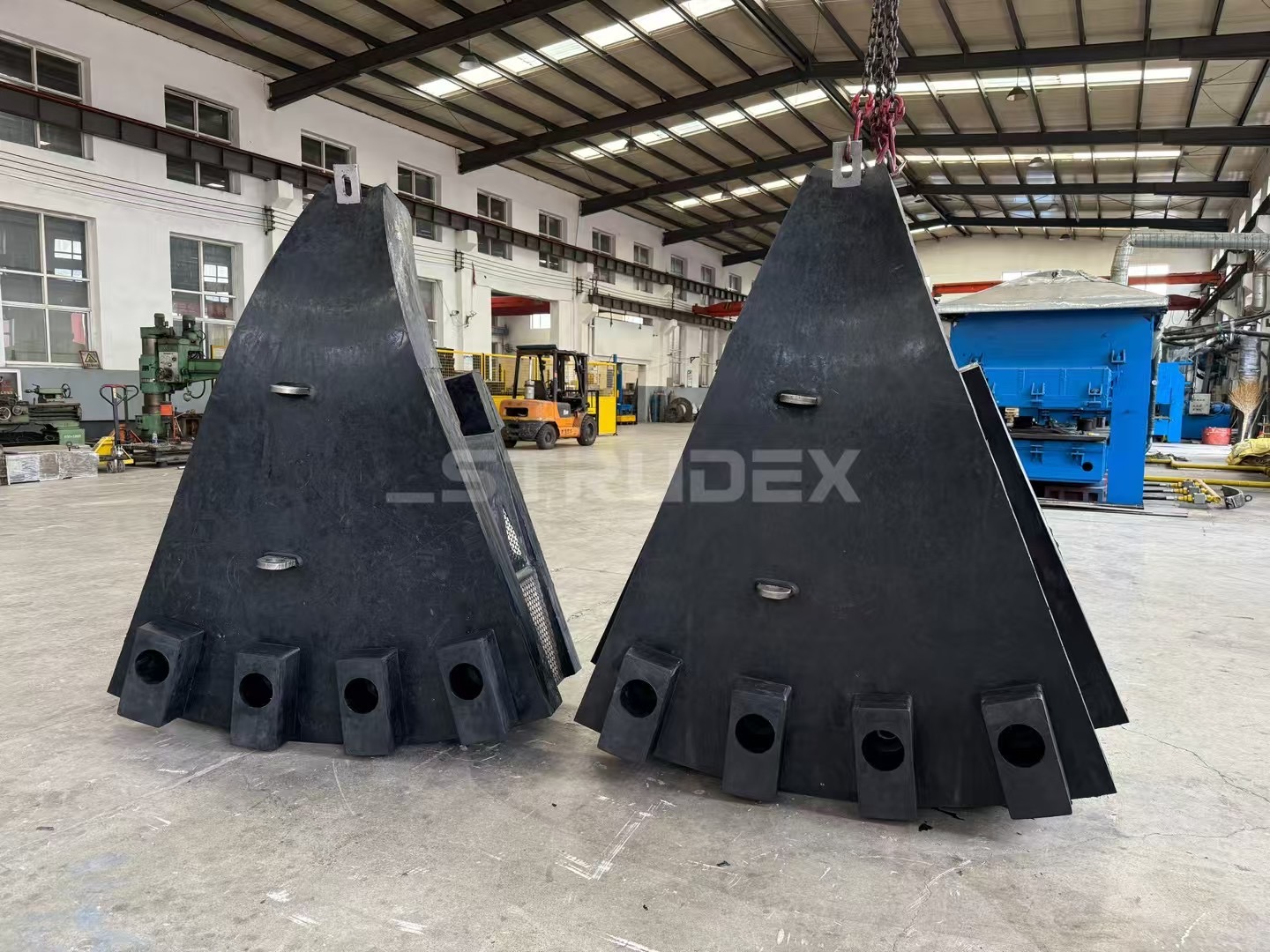
A Vertical Roller Mill is an integrated grinding system that performs multiple processing stages within one machine. As feed enters the rotating table, it forms a material bed that supports inter-particle crushing. Hot gas flows upward and removes moisture from the feed. A dynamic classifier located within the mill body separates fine particles from coarse ones and maintains the desired product fineness. Because these processes occur simultaneously, the Vertical Roller Mill delivers stable performance and lower energy consumption compared with traditional multi-stage grinding lines.
A VRM maintains a continuous loop of grinding, drying, classification, and transport. As the table rotates, feed spreads into a controlled bed. Pressurized rollers compress the material, creating fine particles while allowing larger particles to remain in the grinding zone. Hot gas passes upward through the bed, evaporating moisture and carrying lighter particles toward the classifier. Only particles that meet the fineness requirement leave the system; all others return to the table. This interaction of mechanical pressure and controlled airflow makes the VRM highly efficient.
A typical VRM includes a grinding table, multiple rollers mounted on rocker arms, a hydraulic loading system, a powerful motor coupled to a planetary gearbox, a dynamic classifier, and a gas-flow system for drying and particle transport. The table and rollers are protected by a mill liner, which shapes the grinding profile and protects the steel structure. This combination of mechanical and pneumatic subsystems enables the VRM to handle high-moisture feed and maintain consistent product quality under varying conditions.
| Component | Function | Impact on Performance |
|---|---|---|
| Grinding Table | Distributes feed and forms grinding track | Affects bed stability and energy use |
| Rollers & Rocker Arms | Apply grinding force | Control pressure and throughput |
| Classifier Rotor | Separates fine and coarse particles | Determines product fineness |
| Hydraulic System | Adjusts roller pressure | Influences vibration and bed thickness |
| Mill Liner | Protects table & rollers | Extends component life and shapes grinding zone |
Material enters through a central chute and lands on the rotating table. Centrifugal force spreads the feed outward, forming a stable material bed. A uniform bed creates consistent grinding pressure distribution, which is essential for smooth operation. If the bed becomes too thin, the rollers contact the table and create vibration spikes. If it grows too thick, airflow weakens, drying efficiency drops, and power consumption increases.
Hydraulic cylinders push each roller downward with controlled force. This pressure compresses the material bed and initiates grinding. A properly formed bed ensures mechanical stability and efficient energy transfer. Bed thickness also protects the mill liner, reducing direct mechanical impact. Engineers adjust pressure to maintain the correct grinding force. Too much pressure increases wear and vibration. Too little pressure reduces throughput.
| Parameter | Ideal Range (Example) | What It Means |
|---|---|---|
| Bed Thickness | Medium-stable | Stable grinding pressure and low vibration |
| Differential Pressure (ΔP) | Stable, gradual trend | Indicates internal mill loading |
| Roller Pressure | Balanced by feed conditions | Controls grinding intensity |
| Gas Temperature | Safe, controlled | Ensures proper drying and flow |
As the table rotates, rollers apply compression and shear forces. The interaction between the roller surface and table liner defines the grinding track. A high-quality mill liner helps maintain the correct angle and grinding geometry, improving throughput and reducing power demand. Inter-particle grinding dominates inside a VRM, making it more energy-efficient than impact-based systems like ball mills.
Hot gas from a kiln or hot-air furnace is introduced at the base of the mill. As the gas flows upward, it removes moisture instantly. Drying and grinding occur simultaneously. When materials with higher moisture content enter the system, operators increase gas temperature or airflow. Some VRMs use water spray to cool the table and stabilize the bed when material becomes too dry.
Particles that become light enough are carried upward toward the classifier. Inside the classifier, a rotor and guide vanes generate controlled airflow patterns. Fine particles exit the mill and move to storage. Coarse particles fall back to the table. Engineers adjust rotor speed and airflow to change final product fineness. Higher rotor speeds create finer product, while lower speeds increase throughput.
Coarse particles that do not meet fineness targets return to the grinding zone. This internal loop is essential for achieving a consistent particle size distribution. Stable recirculation helps maintain proper ΔP levels, improves product uniformity, and prevents over-loading. Operators closely monitor recirculation rates to avoid system bottlenecks.
Fine material passes through external cyclones or bag filters before entering silos. Dust collection ensures clean exhaust gas and prevents pressure buildup inside the system. Efficient dust handling reduces maintenance frequency on downstream components and enables steady VRM performance during long production campaigns.
| Variable | Increase Effect | Decrease Effect |
|---|---|---|
| Rotor Speed | Finer product, lower throughput | Coarser product, higher throughput |
| Air Volume | Better transport, stronger drying | Low drying, risk of buildup |
| Gas Velocity | Enhanced lifting of fines | Poor separation efficiency |
The grinding table forms the primary grinding track. Its surface is protected by table liners, which control the material flow pattern and shape the grinding angle. Retaining ring height further dictates bed thickness. Proper liner selection reduces power consumption, stabilizes the bed, and prolongs maintenance intervals. Companies such as Strudex supply heavy-duty mill liner systems engineered for long service life and reduced wear, especially under abrasive clinker and slag conditions.
Each roller includes a core shaft, a wear sleeve, sealed bearings, and a rocker arm that transfers hydraulic pressure. Roller profiles determine grinding efficiency. A well-designed roller liner maintains the grinding edge and prevents slip. Strudex offers optimized roller liner compounds and weld-overlays that improve grinding traction and reduce replacement frequency.
The classifier is responsible for final product fineness. Its rotor speed and vane geometry determine which particles exit the mill. A well-designed classifier improves capacity and reduces over-grinding. Strudex also provides classifier wear components that maintain sharp cut-points and extend operational stability over long campaigns.
The drive system includes an electric motor and a planetary gearbox that delivers steady torque to the grinding table. Proper lubrication prevents wear in high-load bearings and keeps the gearbox cool. The mill shell houses liners that protect the structure from abrasion and temperature variation. Regular monitoring of oil temperature and vibration prevents major gearbox failures.
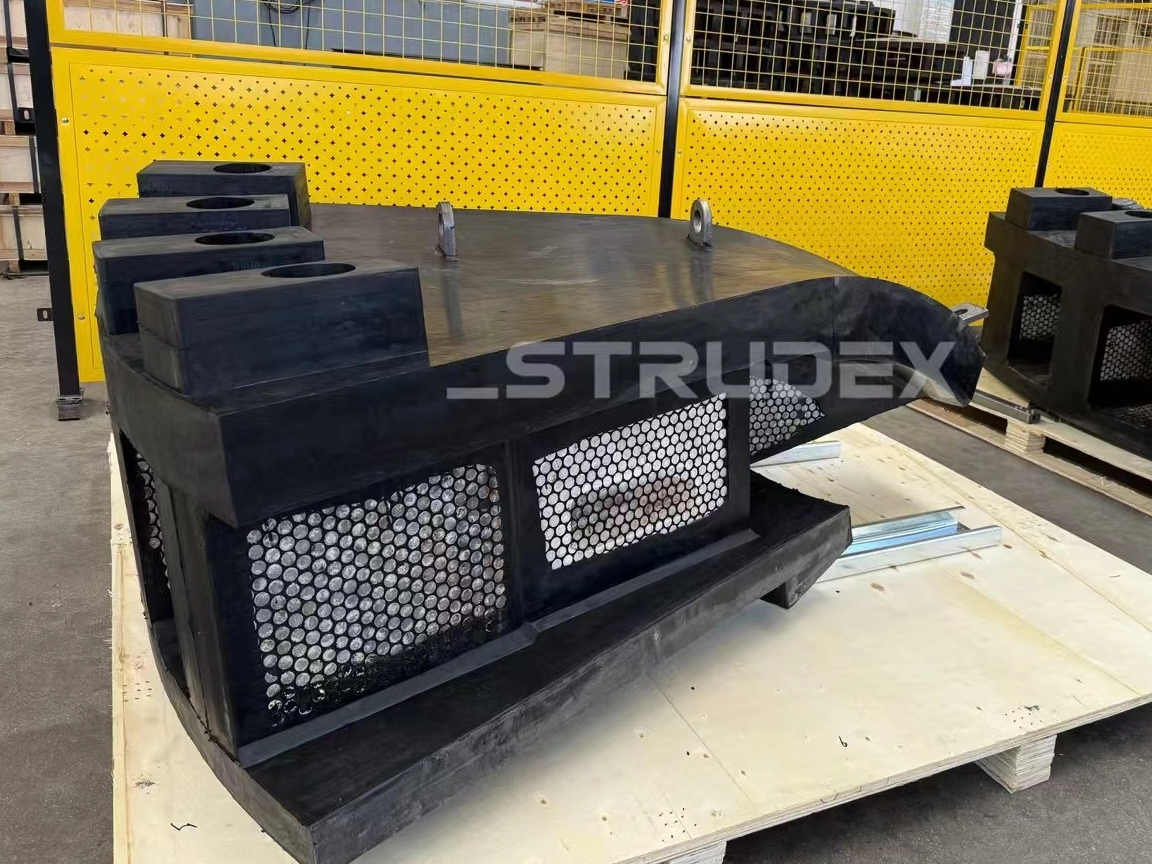
Bed thickness controls stability, grinding intensity, and vibration. Operators adjust feed rate, pressure, and airflow to maintain an optimal bed. A stable bed protects the mill liner, reduces energy consumption, and minimizes wear. Inconsistent bed formation often signals feed size or moisture issues.
Grinding pressure determines how aggressively the rollers act on the bed. Higher pressure improves fineness but increases wear. Lower pressure increases throughput but risks an unstable bed. Strudex’s reinforced roller liners help manage higher pressure levels without excessive wear.
Air volume controls drying and particle transport. Gas velocity influences lifting of fine material. Differential pressure indicates internal material loading. Stable airflow ensures efficient grinding and reliable classification.
Temperature affects material behavior and drying capacity. High temperatures improve drying but may cause coating. Low temperatures reduce efficiency and increase ΔP. Water spray stabilizes the bed and prevents overheating during high-load operation.
Hard materials require higher pressure and heavier wear protection. Softer materials grind faster but may destabilize the bed if they generate too many fines. Plants must adjust pressure and airflow to maintain stability across feed variations.
Stable feed distribution ensures a uniform bed. Oversized material slows grinding and increases ΔP. Excessively fine feed can fluidize the bed. Both conditions reduce efficiency.
High moisture requires strong drying capacity. When moisture increases unexpectedly, operators must increase gas temperature or airflow. Insufficient drying leads to buildup and vibration.
Target fineness controls classifier speed and pressure settings. Finer grinding consumes more energy and reduces capacity. Plants balance product requirements with operational efficiency.
Strudex provides high-precision classifier blades and wear parts that help maintain stable fineness even under fluctuating feed conditions.
Raw materials such as limestone and clay often contain significant moisture. The Vertical Roller Mill handles this through strong in-mill drying. Operators adjust gas temperature and airflow to achieve stable raw meal fineness. A consistent raw meal PSD is essential for smooth kiln operation and stable clinker quality.
Clinker and slag are highly abrasive materials that demand higher grinding pressure and stronger liners. The mill liner must resist severe impact and maintain its profile for long periods. Slag grinding often requires finer classification because slag products must meet high performance standards. Operators must watch roller pressure, vibration, and classifier loading to ensure stable production.
Coal requires fine grinding and strict temperature control. Operators keep outlet temperature low to prevent ignition. Stable classification ensures proper combustion behavior. In some plants, inert gases are introduced for additional safety.
A Vertical Roller Mill works by forming a steady material bed, applying precise grinding pressure, and drying and classifying the feed in one closed system. When engineers understand how these steps interact, they can improve efficiency, cut energy use, and extend equipment life. Stable operation depends on watching ΔP trends, vibration signals, liner wear, and temperature changes so issues can be solved early. Reliable wear parts also matter, and brands like Strudex help plants stay productive by offering durable mill liners, roller sleeves, and classifier components that keep VRMs running smoothly over long campaigns.
A: A Vertical Roller Mill forms a stable bed and applies controlled pressure. A strong mill liner helps keep the grinding zone consistent.
A: The bed supports steady grinding and reduces vibration. The mill liner also shapes the bed for better control.
A: Classifier speed and airflow set the final size. Worn mill liner surfaces can affect the cut point.
A: Watch ΔP, temperature, and vibration trends. Using durable mill liner systems helps extend service life.


