+86-173-0318-1768
- All
- Product Name
- Product Keyword
- Product Model
- Product Summary
- Product Description
- Multi Field Search

Views: 0 Author: Site Editor Publish Time: 2026-01-30 Origin: Site


You pick the best flotation impeller by looking at its material and design. You need to match these to what your process needs. The right impeller helps things work better. It also makes your equipment last longer. Some materials work well in hard mining jobs. Austempered Ductile Iron and CD4MCu stainless steel are good examples. Strudex uses strong materials and smart designs.
Material | Properties | Applications |
|---|---|---|
Austempered Ductile Iron (ADI) | Very hard, protects against wear | Abrasive places |
CD4MCu | Tough stainless steel, fights chemicals | Impellers, parts that wear |
17-4 PH | Stainless steel, works in rough jobs | Shafts, volutes |
Silicon Carbide | Hard, does not break down easily | Tough, abrasive places |
Tungsten Carbide | Hard, does not break down easily | Tough, abrasive places |
Picking the right flotation impeller helps your machine work well. The impeller moves the slurry and mixes air with ore. This helps bubbles and particles meet and stick together. In a mechanical agitation flotation machine, impeller speed changes how solids stay up and how bubbles form. You want big particles to stay up and bubbles to last longer.
Impeller speed helps keep solids mixed and forms bubbles.
Good mixing stops particles from sinking and helps bubbles lift minerals.
The shape of the machine and impeller design make the flow right for bubbles and particles to meet.
Turbulence from impeller speed and air flow must be balanced to keep froth steady.
If you use an air-inflation agitation flotation machine, match the impeller to the air supply. This helps minerals separate better. Picking the right flotation impeller makes your process work better and gives good results.
The flotation impeller design affects how much you spend. Bubble size and froth stability change how well minerals are collected. Small bubbles give more space for particles to stick, which helps recovery and lowers costs. Using the wrong impeller can cause more wear and need more replacements.
Strudex flotation impellers use rubber-moulded materials and strong cores. These last three times longer than regular metal parts. They also resist corrosion better, even in tough mining jobs. The table below shows how Strudex is better than regular designs:
Feature | Strudex Impellers | Conventional Designs |
|---|---|---|
Material | Rubber-moulded materials | Metal parts |
Wear Life | 3× longer wear life | Standard wear life |
Corrosion Resistance | Excellent in acidic/alkaline conditions | Degrades in harsh conditions |
Durability in Harsh Environments | High-strength cores for enhanced durability | Standard durability |
Choosing a good flotation impeller means less downtime and fewer repairs. Your flotation machine will run better and last longer.

When you pick an impeller, you should know the main types. Each type works best for certain jobs and tank shapes. Let’s see the most common designs you might find.
Radial flow impellers push liquid out from the middle. They are used in tanks that need strong mixing. The blades are straight and line up with the shaft. This design makes many mixing loops and splits the tank into parts. You get good mixing for both gas and liquid. Radial flow impellers are good for mixing gas with liquid or liquid with liquid.
Here is a quick look at what they do and where they are used:
Characteristic/Application | Description |
|---|---|
Blade Orientation | Blades are straight and line up with the shaft. |
Flow Discharge | Pushes liquid out from the center. |
Mixing Applications | Good for mixing one or more things together. |
Dispersion Types | Great for mixing gas with liquid or liquid with liquid. |
Common Types of Impellers | Rushton turbine, bar turbine, open blade turbine. |
Typical Industries | Chemical, water treatment, food, and medicine. |
Radial flow impellers last longer if made from tough materials. You can use them in many flotation machine setups.
Axial flow impellers move liquid up and down the shaft. The blades are set at an angle. This design gives strong up and down mixing. You use axial flow impellers in tanks that need gentle mixing and good movement. They help keep solids floating and work well with some drives.
You will see axial flow designs in big tanks. They handle lots of liquid and mix it well. These impellers are also good for soft ores and slurries.
Receded disk impellers and diffuser plates help your flotation machine work better. They let you run the impeller faster without using more power. These designs give you more air and better mixing. You get smaller bubbles, so minerals stick better and the froth column is deeper.
Here is a table showing their main good points:
Advantage | Description |
|---|---|
Increased Speed | Lets you run the impeller faster without more power. |
Enhanced Aeration | Gives you more air and mixes it better. |
Smaller Bubbles | Makes tiny bubbles for deeper froth and better mineral recovery. |
Reduced Maintenance | Needs less care, especially at the end of the flotation machine. |
You can use receded disk and diffuser plate designs with many drives. They last longer if made from strong materials like Strudex uses.
Tip: Always match the impeller type to your flotation machine and the drives you use. This helps you get the best results and makes your equipment last longer.
Before you pick an impeller, look at your tank’s shape and size. The tank’s shape changes how the liquid moves inside. It also affects how well the impeller mixes the slurry. Tanks can be tall, wide, or have different clearances. Each needs a special impeller design. If the impeller is close to the bottom, it mixes solids better. But it might not need to spin as fast. Wide tanks need bigger impellers to keep the liquid moving well.
Here is a table that shows how tank features affect your choice:
Aspect | Impact on Impeller Selection |
|---|---|
Tank Height | Tall tanks need impellers that move liquid up and down well. |
Tank Width | Wide tanks need larger impellers for good mixing. |
Off-Bottom Clearance | Lower clearance helps mix solids but may need less speed. |
Impeller Diameter | Bigger diameters improve mixing in large tanks. |
Studies say flotation machines and stirred tanks look alike. You can use ideas from stirred tanks to help pick an impeller. When you match the impeller’s size and spot to your tank, you get better mixing. You also get more minerals out.
You need to check the pulp level and air supply in your machine. The pulp level means how high the slurry is in the tank. If the pulp is too low, the impeller cannot mix well. If it is too high, you might lose control of the froth. The air supply is important too. Some machines need lots of air to make bubbles. Others need less air, especially if the foam is thick.
Here is a quick guide to help you:
Low pulp level: Less mixing, poor mineral recovery.
High pulp level: Hard to control froth, risk of overflow.
High air supply: More bubbles, better for hard-to-separate ores.
Low air supply: Good for easy ores or thick foam layers.
Mechanical agitation flotation machines are good for easy ores. Air-inflation machines work better for ores that need more bubbles. Always match the impeller to the air and pulp your process needs.
The kind of ore and slurry changes what impeller you need. If your slurry is rough, pick an impeller made from tough materials. These last longer and do not wear out fast. If your slurry has chemicals, use materials that do not break down. The size of the particles matters too. Closed impellers are best for fine slurries. Vortex impellers are better for big particles. They stop the particles from breaking apart.
Tip: Always check the ore and slurry before you choose your impeller. This helps you pick the right design and material for your job.
You want your impeller to last long and need little care. The right material helps a lot. Advanced materials like Strudex uses last longer and need less fixing. Strudex puts a strong skeleton inside the impeller. This keeps the impeller strong and in shape, even in tough jobs.
Here is a table of advanced materials and their benefits:
Material | Benefits |
|---|---|
Rubber-moulded | Resists wear and corrosion, lasts longer |
FerroCer™ | Boosts productivity, cuts maintenance costs |
FerroComb™ | Boosts productivity, cuts maintenance costs |
Always pick an impeller that matches your tank, pulp, and ore. Think about your equipment size and how many cells you use. Big flotation machines save space and money. But you must match them to your plant’s needs. Small plants can use machines that move slurry by themselves. This helps you use less extra equipment.
When you pick the right impeller, you get better mixing and more minerals. You also have less downtime. Strudex’s strong materials and smart design help you reach these goals.
You should start by looking at what your process needs. Every flotation machine works best when you match the impeller to the job. Think about the type of ore you process and the size of the particles. Check if your slurry is thick or thin. You also need to know if you use a mechanical agitation flotation machine or another type.
Ask yourself these questions:
What minerals do you want to recover?
How much air does your flotation tank need?
Do you need strong mixing or gentle movement?
What chemicals are in your slurry?
You can also learn from field experience. Operators often watch how minerals move in the flotation tank. They check the froth bed surface and see how air flow changes the results. Real-time data helps you make better choices. If you see too few bubbles, you may need more air. If you see unstable froth, you may need less air. Small bubbles help recover fine particles. For bigger particles, small bubbles let more minerals stick and stay attached.
Tip: Write down what works and what does not. Over time, your experience will help you pick the best impeller for each job.
You need to match the impeller design to your flotation tank. The right fit gives you better mixing and mineral recovery. Follow these steps to get the best results:
Check the D/T ratio. This means the impeller diameter (D) compared to the tank diameter (T). A good ratio gives you even mixing. If the ratio is wrong, you may get dead spots or poor mixing.
Choose an impeller diameter that is about one-third of the tank diameter. This size balances flow and mixing.
Place the impeller at one-third the height of the tank. This spot keeps the flow steady and stops solids from settling.
You will find different types of flotation tanks. Each type needs a special impeller setup. For example, tall tanks need impellers that move liquid up and down. Wide tanks need larger impellers for good mixing. Always check your tank’s shape before you choose.
Step | What to Do |
|---|---|
Check D/T Ratio | Make sure the impeller diameter fits the tank diameter for even mixing. |
Size the Impeller | Use an impeller about one-third the size of the tank diameter. |
Set Impeller Height | Place the impeller at one-third the tank height for steady flow. |
You should always read the manufacturer guidelines. These guides give you the best advice for your flotation machine. They tell you how to set up the impeller for safety, performance, and easy care.
Evidence Type | Description |
|---|---|
Manufacturer Guidelines | Provide specific recommendations for optimal performance, safety, and maintenance of flotation machines. |
After you set up your impeller, you need to check how it works. Watch the flotation machine during operation. Look for signs of good mixing and stable froth. If you see minerals collecting well, your setup is working. If you see problems, you may need to adjust the impeller or air flow.
You should also think about how long your impeller will last. Strong materials like those used in Strudex impellers help reduce wear and cut down on repairs. Less downtime means your flotation tank works more and costs less to run.
Here are some things to check:
Does the impeller show signs of wear?
Is the mixing even in all parts of the tank?
Do you need to adjust the air flow for better results?
Are you getting the mineral recovery you want?
Note: Field experience is important. You cannot always see inside the tank, so you must rely on data and results. Over time, you will learn what works best for your flotation machine.
You should always compare your results with past jobs. If you see better recovery and less downtime, you know you made the right choice. If not, try a different impeller or setup. Keep learning and improving your process.
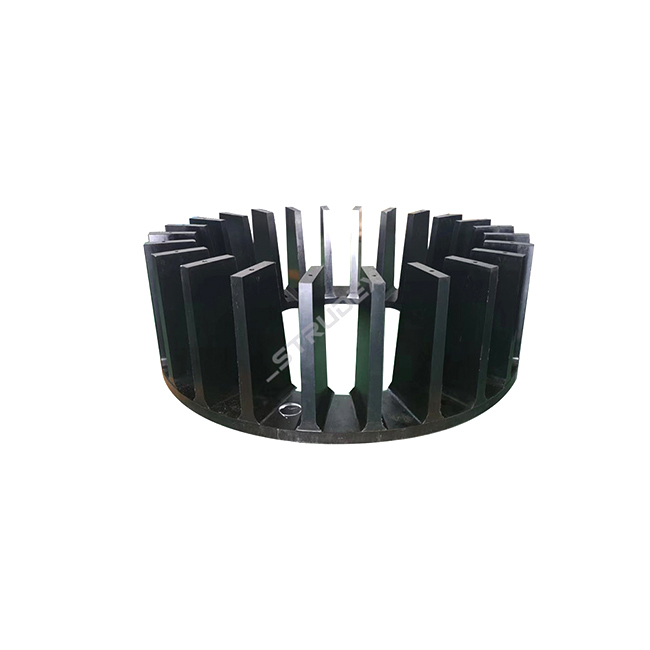
You can keep your flotation machine working well by doing some easy things. Taking care of it often helps your impeller last longer and keeps your flotation tank in good shape.
Check your impeller and stator a lot. Look for any damage or signs of wearing out.
Make sure you put the impeller on a flat, steady surface. This helps stop shaking and loud sounds.
Watch what you put into the flotation tank. Clean and even materials help your equipment last longer.
Keep the feed rate the same. Big changes can hurt your flotation machine and cause trouble.
Teach your workers how to use and care for the machine. When everyone knows what to do, you make fewer mistakes.
Tip: If you take care of your mechanical agitation flotation machine, you will save time and money later.
Picking the right impeller for your flotation machine is not always easy. Many people make the same mistakes, but you can stop them by following these tips:
Do not guess about your slurry. Always check if it is rough, what size the pieces are, and what chemicals are in it.
Know how your system moves liquid. If you get this wrong, your flotation tank may not work right.
Look at the design details. If you miss the impeller’s shape or sealing, it may not work well.
Do not just look at the price. Think about all costs, like energy, fixing, and stopping work.
Pick a good manufacturer. Good help and experience in your field matter a lot.
If you do not watch for material wear, you may use more energy and have more breakdowns. Worn parts can make more shaking, noise, and even hurt your flotation machine. Cavitation and uneven flow can also happen, which makes it harder to recover minerals.
Note: If you plan well and check your machine often, you can stop these mistakes and keep your flotation tank working well.
When you pick an impeller, look at the liquid’s features. Think about the impeller’s size and type too. Check what material the impeller is made from. You should also think about how much it costs. Remember to check how much care the impeller will need. Good brands like Strudex help your machine work better. They also make your flotation machine last longer. For the best results, ask experts for advice. Use the manufacturer’s guides to help you choose. The table below shows how different materials change how well the impeller works and how long it lasts:
Material | Characteristics Impacting Performance and Reliability |
|---|---|
Brass | Not very good against corrosion, best for easy jobs. |
Stainless Steel | Costs more at first but lasts longer and needs less fixing in tough places. |
Engineering Plastics | Light and does not rust, but may not work for every job. |
Tip: Always think about how well your equipment will work and last when you choose it.
You use a flotation impeller to mix slurry and air in the tank. This helps bubbles form and minerals stick to them. Good mixing improves mineral recovery.
You should check your impeller every week. Look for cracks, chips, or thinning. Early checks help you avoid big problems and keep your machine running well.
Rubber-moulded impellers and advanced alloys like those from Strudex last longest. They resist wear and corrosion better than regular metals.
No, you cannot. Each tank needs a special impeller size and design. Always match the impeller to your tank and process for best results.


