+86-173-0318-1768
- All
- Product Name
- Product Keyword
- Product Model
- Product Summary
- Product Description
- Multi Field Search

Views: 0 Author: Site Editor Publish Time: 2026-01-06 Origin: Site


You have big problems when you use abrasive slurry pumps in mining. The best flotation impeller design can help your pump work better and last longer. Materials like high-chrome white iron and ceramics stop the slurry from wearing out the pump. Rubber linings help by soaking up hits, and metal-ceramic mixes make the pump last even longer. Strudex’s Flotation Impeller uses all these strong materials together. This smart design makes your mining slurry pump tough enough for hard jobs.
It is important to think about efficiency and wear resistance when picking impellers for abrasive slurry pumps. The right impeller design helps the pump use less energy and last longer. If you choose the wrong design, the pump will not work well and will break sooner. You want your pump to last a long time, especially when working with abrasive fluids in mining.
The size and shape of impeller blades change how the pump works. A good design lets you move more slurry with less power. The materials you use for the impeller are very important. Strong materials like high-chrome white iron or rubber can handle abrasive slurry and help the pump last longer. You also need a design that cuts down on energy loss and wear. This saves you money and time.
Here is a table that shows how different things affect efficiency and wear resistance in abrasive slurry pumps:
Factor | Description |
|---|---|
Size and Shape | The size and shape of impeller blades affect how well the pump works and how much slurry it moves. |
Material Selection | The materials you pick help the pump resist wear and last longer, which is important for abrasive slurries. |
Design for Efficiency | Good designs lower energy loss and wear, making the pump work better and cost less to run. |
You want your slurry pumps to work well in tough places. The design and materials in abrasive slurry pumps help them last longer than regular pumps. You should check your impeller often for wear and damage. This keeps your pump working well and stops problems before they get worse.
Your pump needs to move solids without clogging or breaking. The impeller design is very important for this. If you move slurry with big or stringy pieces, you need a design that lets solids pass through easily. Wider openings in the impeller help stop clogging. This keeps your slurry moving smoothly and makes the pump more reliable.
Different impeller types work better for different jobs. Here is a table that shows how impeller shape affects solids handling and reliability:
Impeller Type | Characteristics | Applications |
|---|---|---|
Semi-Open Impeller | Open on one side, balances solids handling and efficiency. | Good for suspended solids and fibrous materials. |
Enclosed 2-Vane Impeller | Has wide vanes and big openings to stop clogging. | Best for raw sewage or heavy slurries. |
Cross-Sectional Area | Wider openings lower clogging risk and help solids pass. | Needed for big or stringy debris. |
Efficiency vs. Solids Trade | Pumps for bigger solids are less efficient but stop clogging. | Helps balance energy use and solids handling. |
You should also watch the space between the impeller and the pump casing. If the space is too wide, the pump loses efficiency. If it is too tight, the impeller wears out faster. Checking and adjusting this space helps keep your slurry pump working well.
Here are some tips to help your pump work well with abrasive slurry:
Check your impeller often for wear or damage.
Adjust the space between the impeller and casing when needed.
Watch for changes in vibration or flow rate. These can warn you about problems before they stop your pump.
Use materials like high-chrome white iron or rubber for better wear resistance.
Pick a modular design if you want to make repairs faster and easier.
Slurry pumping can be hard, especially with abrasive slurries. The right impeller design helps you solve these problems. You get better efficiency, less wear, and a more reliable pump. This means less downtime and lower costs for your mining work.
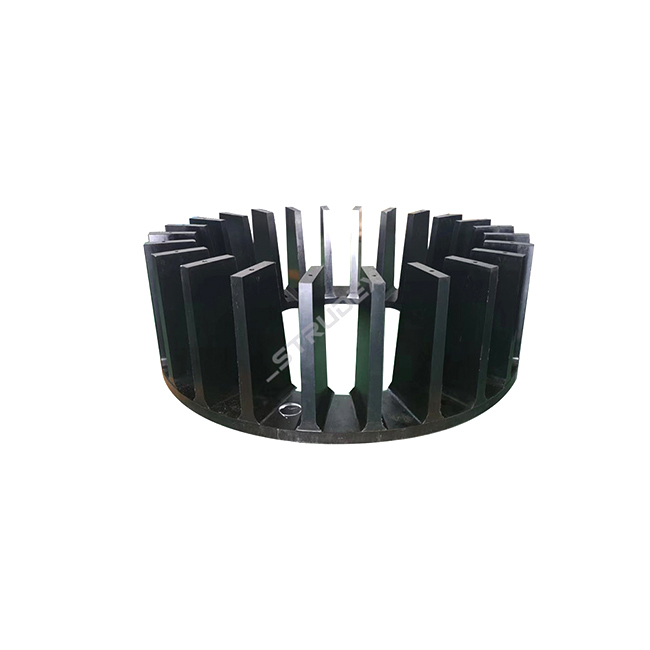
A flotation impeller must handle tough slurry jobs. Strudex uses strong rubber and special composites in its impeller. These materials last much longer than regular ones. They can last up to three times longer. They also fight off rust and damage from harsh chemicals. The impeller keeps working, even when other parts break. Picking the right material means you change parts less often. This saves you time and money in mining.
Here is a quick comparison:
Feature | Strudex Flotation Impeller | Other Leading Products |
|---|---|---|
Material | Premium wear-resistant rubber | Varies |
Durability | Up to 3 times longer life | Standard |
Corrosion Resistance | Better than competitors | Varies |
Air Dispersion Optimization | Yes | Limited |
Pulp Mixing Efficiency | Improved | Standard |
The rotor-stator system helps your pump work better. The stator makes bubbles smaller in the slurry. Small bubbles make froth more stable. This helps you get more minerals out. The impeller keeps particles moving and spreads bubbles well. This saves energy and lowers wear. You get better results and use less power.
Evidence Description | Impact on Performance Metrics |
|---|---|
The stator reduces d32 | Enhances froth stability and increases recovery |
Inverse correlation between pulp bubble size and froth stability | Critical for improving energy efficiency and reducing wear |
Impeller's role in particle suspension and bubble dispersion | Affects overall flotation performance and energy efficiency |
You also use less energy with this design. The impeller and better flow lower turbulence. This means your pump uses less power and costs less to run.
Good impeller design saves energy in mining.
Better flow and less turbulence lower your costs.
The right pump can make your work up to 17% more efficient.
Strudex’s flotation impeller has a metal skeleton inside. This makes the impeller stronger. You can use it with hot or harsh slurry without worry. The skeleton keeps the impeller’s shape under stress. You get a pump that works well in tough mining places.
Tests show Strudex’s impeller needs up to 40% fewer changes than normal parts. You can also get 5-15% more minerals out. The impeller works better than most others in hard jobs. If you need a special impeller for your slurry, Strudex can help. You get a design made just for your needs.
Tip: Ask your supplier about custom impeller designs for your slurry and mining job.
Mining with abrasive slurry pumps is hard. The kind of slurry you use changes how your pump works. You should check the size and number of particles in your slurry. Bigger particles wear down the impeller faster. More solids in the slurry make the impeller wear out quickly. You need to watch these things to keep your pump working well.
Bigger particles in slurry cause strong abrasion. These forces slowly wear away the impeller.
More solids mean the impeller gets hit more often. This makes it wear out faster.
How fast the pump moves slurry also matters. If you pump bigger particles or more solids, check your impeller often. Pick a design that fits your slurry type.
You can help your pump last longer by picking the right impeller. Different impellers work better for different slurries. Here is a table to show which impeller fits your job:
Feature | Open | Closed | Recessed (Vortex) |
|---|---|---|---|
Typical vane count | 3–6 | 4–6 | 2–4 |
Efficiency | Medium | High | Low |
Solids passage | Medium to large | Medium | Very large |
Eye diameter trend | Larger | Moderate | Large effective eye |
Recirculation risk | Medium | High | Low |
Maintenance access | Easy | Internal check | Minimal wear |
Best fit | Coarse, variable | Steady duty | Fragile, high plugging |
Some impellers have thicker edges to fight abrasion. Others use special shapes to save energy and lower costs. Better vane shapes help slurry move smoothly.
Design Modification | Benefit Description |
|---|---|
Optimized hydraulic profile | Makes the pump use less power and saves money. |
Enhanced wear resistance | Thicker edges help the impeller last longer. |
Improved vane geometry | Less turbulence means smoother slurry flow. |
You can pick different materials for your impeller. High chrome white iron is good for sharp particles and heat. Rubber impellers work well with round particles and low pH. Match the impeller material and design to your slurry for the best results.
Tip: Always check your pump and impeller after using new slurry. This helps you find wear early and stop problems before they start.
Mining slurry pumps have many problems. They work in places with sharp particles and fast speeds. These things can hurt the impeller. The impeller, casing, and suction liner wear out fast. Sometimes, you must change these parts in just a few hours. This happens when the slurry is very rough. The throatbush wears down even faster. Sharp particles hit it quickly. Both abrasion and erosion make the pump last less time.
A centrifugal mining slurry pump in a mill circuit lasts 1500 to 4000 hours.
Sharp, rough particles make the impeller and other parts wear out fast.
Abrasion and erosion are the main reasons pumps break in tough places.
You can fix these problems by picking the right impeller design and materials. Strudex Flotation Impeller uses special materials that fight abrasion and erosion. It has a metal skeleton inside for more strength. This design helps your pump last longer, even with rough slurry. You spend less time fixing the pump and more time using it.
Tip: Check your pump often and replace parts quickly. This helps you avoid long stops and keeps your pump working well.
Strong materials are not enough for your mining slurry pump. You also need smart designs and new ideas. Strudex has a rotor-stator system that helps the impeller move slurry better. This system makes the pump work better and lowers wear. The impeller design lets you handle many types of slurry, from small to big pieces.
Now, companies make custom impeller designs for your mining slurry pump. You can pick the best shape, size, and material for your slurry. Heavy-duty submersible slurry pumps use these new designs for the hardest jobs. Custom designs help your pump work better and last longer in mining.
Customization Option | Benefit for Mining Slurry Pump |
|---|---|
Material selection | Matches impeller to abrasive slurry |
Rotor-stator design | Improves efficiency and wear life |
Embedded skeleton | Adds strength for tough jobs |
You get better results when you match the impeller design to your slurry and mining job. Ask your supplier about new ideas and custom choices for your abrasive slurry pumps.
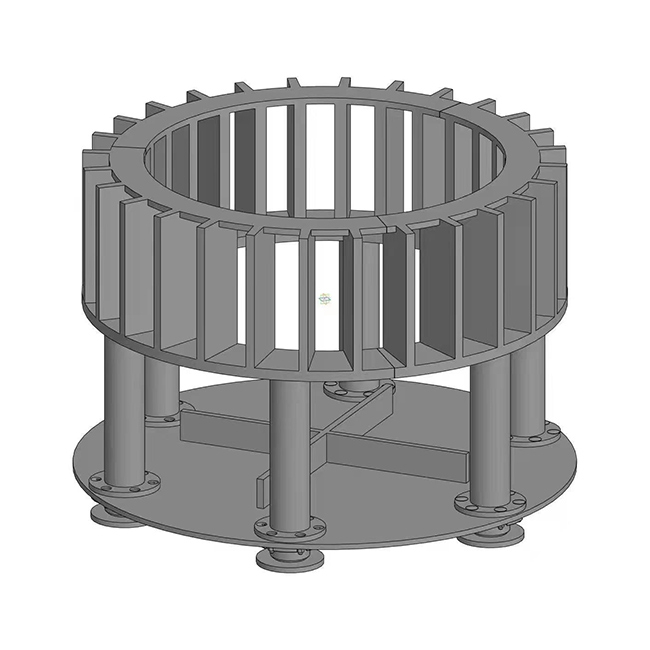
When you work with a mining slurry pump, you need to pick the right impeller for your job. The right choice helps your pump last longer and work better. You should always look at the type of slurry you need to move. Some slurries have large, sharp particles. Others have fine, soft particles. Each type needs a different impeller design.
Here is a table to help you see what matters most when selecting the right slurry pump and impeller:
Criteria | Description |
|---|---|
Wear life | Long wear life means less downtime and fewer repairs. |
Efficiency | High efficiency saves energy and lowers costs. |
Maintenance ease | Easy maintenance keeps workers safe and saves time. |
Material compatibility | The impeller must work well with the chemicals in the slurry. |
You should also think about these points when selecting the right slurry pump:
Slurry type: Know the concentration, particle size, and how abrasive the slurry is.
Flow rate and head: Check how much slurry you need to move and how high it must go.
Pump material: Make sure the pump and impeller can handle the chemicals in your slurry.
Operational environment: Look at space, temperature, and if the pump will be under water.
Maintenance access: Pick a design that lets you check and replace parts easily.
Energy efficiency: Choose a pump that uses less energy but still does the job.
If you use your mining slurry pump in tailings handling systems, you need an impeller that can handle tough, abrasive slurries. The right impeller design helps you avoid clogs and keeps your pump running smoothly.
Tip: Always talk to your pump manufacturer. They can help you match the impeller to your slurry and mining needs.
You want your mining slurry pump to last as long as possible. You also want it to use less energy. The impeller plays a big role in both. When you pick the right impeller, you get better performance and save money.
Here are some ways to make your pump work better and last longer:
Pick the best impeller design for your slurry. Closed impellers work well for thick, heavy slurries. Open impellers are better for lighter slurries.
Use strong materials like hardened steel or ceramics. These materials last longer in abrasive conditions than regular cast iron.
Adjust the impeller and discharge size to lower turbulence. Less turbulence means less wear and better efficiency.
Use Variable Frequency Drives (VFDs) to change pump speed and pressure. This helps you match the pump to your slurry and save energy.
Make sure your pump and impeller can handle the abrasive nature of your slurry.
You should also follow good maintenance practices:
Inspect your pump and impeller often. Look for signs of wear or damage.
Change slurry settings like solid content and pH to reduce wear.
Take action when you see wear. Use coatings or replace the impeller if needed.
Follow the manufacturer’s rules for starting, stopping, and caring for your pump.
Train your team to handle and maintain the pump the right way.
Real-world mining shows that the right impeller design can cut costs by up to 20%. For example, the HL270M mining slurry pump used a strong impeller and lasted longer in tough conditions. This saved money and reduced downtime.
Note: Always use real data from your mining site. Adjust your pump and impeller based on what you see in daily work. This helps you get the best results.
When you work with abrasive slurries, you need to stay alert. The right impeller and good care keep your mining slurry pump running strong. You move more slurry, use less energy, and spend less time fixing your pump. If you have questions, ask your manufacturer for help. They know how to match the impeller to your slurry and mining job.
You can boost your mining slurry pump’s performance by following a few key steps:
Choose strong materials like high-chrome alloys or rubber linings.
Pick the right impeller shape for your slurry.
Make sure your pump parts can handle tough jobs.
Strudex’s advanced impeller design uses these ideas. When you match impeller features to your mining needs, you get less clogging, longer life, and lower costs. For best results, use advanced materials and talk with experts before you decide.
You get advanced materials, a strong metal skeleton, and a smart rotor-stator system. These features help your pump last longer and work better in tough mining jobs.
You should check your slurry’s particle size, hardness, and chemical makeup. For sharp, hard particles, use high-chrome alloys. For softer or acidic slurries, rubber works best.
You should inspect your impeller every week in harsh mining conditions. Look for cracks, chips, or thinning. Early checks help you avoid big problems.
Yes, you can. Many suppliers, like Strudex, offer custom impeller designs. You can match the impeller’s shape and material to your slurry and pump needs.


