+86-173-0318-1768
- All
- Product Name
- Product Keyword
- Product Model
- Product Summary
- Product Description
- Multi Field Search

Views: 0 Author: Site Editor Publish Time: 2026-01-13 Origin: Site


Are you choosing the right material for your flotation impeller? Selecting the best material is crucial for optimal performance in mineral processing. This article explores the significance of materials like polyurethane and wear-resistant rubber. You'll also learn how Strudex excels in producing high-performance flotation impellers.
A flotation impeller is a vital component in mineral processing, specifically designed for the flotation process. Its primary function is to enhance the separation of valuable minerals from ore by creating a turbulent environment. By doing so, it helps in maximizing mineral recovery, which is crucial for efficient mining operations.
In the flotation process, the impeller works by agitating the slurry, allowing air bubbles to attach to the mineral particles. This attachment makes it easier for the minerals to rise to the surface, where they can be collected. The effectiveness of a flotation impeller can significantly impact the overall efficiency of the mineral recovery process.
Function | Impact on Recovery |
Agitation of slurry | Enhances mineral separation |
Air bubble generation | Promotes flotation efficiency |
Turbulent environment | Increases recovery rates |
Flotation impellers operate through a combination of mechanical and hydraulic principles. The impeller rotates within the flotation cell, drawing in the slurry and air. This action creates a vortex that mixes the ore and air bubbles effectively. The rotational speed and design of the impeller are critical, as they determine how well the slurry is mixed and how efficiently air is introduced.
1. Agitation: The impeller's rotation stirs the slurry, ensuring that the minerals are evenly distributed.
2. Air Injection: Air is introduced into the slurry, forming bubbles that adhere to the mineral particles.
3. Bubble Attachment: The minerals attach to the bubbles, allowing them to float to the surface.
The role of flotation impellers extends beyond just mixing; they are essential for enhancing mineral recovery. The design of the impeller affects the efficiency of this process. For instance, a well-designed impeller minimizes energy consumption while maximizing mineral recovery.
Mechanics | Description |
Rotation speed | Influences mixing efficiency |
Impeller design | Affects bubble formation |
Vortex creation | Enhances mineral attachment |
In summary, flotation impellers are crucial for efficient mineral processing. Their ability to create turbulence and facilitate bubble attachment directly impacts the success of flotation operations. Understanding how they work helps in selecting the right materials and designs for specific mining needs.

Wear and tear are significant challenges in mineral processing. Flotation impellers face constant friction, abrasion, and impact from the slurry and minerals they handle. This wear can lead to decreased efficiency and increased costs due to frequent replacements. Therefore, wear resistance is a critical factor in material selection.
Strudex enhances wear resistance through its innovative materials, such as natural rubber and polyurethane. These materials are designed to withstand harsh conditions, extending the lifespan of flotation impellers.
Material | Wear Resistance Features |
Natural Rubber | Excellent flexibility and shock absorption |
Polyurethane | High tensile strength and abrasion resistance |
Structural durability is another essential aspect of flotation impellers. The materials used must withstand operational stresses, including pressure changes and mechanical forces. A strong impeller ensures consistent performance and reliability over time.
Strudex addresses this need by incorporating an embedded metal skeleton in their impellers. This design feature provides additional strength, allowing the impeller to endure the rigors of mineral processing without compromising its integrity.
● Consistent Performance: Reduces the risk of failure during operations.
● Longer Lifespan: Enhances overall durability, saving costs in the long run.
Flotation processes often involve aggressive chemical environments. The reagents used can vary widely, and compatibility with these chemicals is crucial for the longevity of the impeller. If the material degrades due to chemical exposure, it can lead to operational failures and increased maintenance costs.
Strudex’s material choices are specifically designed to resist most reagents used in froth flotation. This chemical resistance ensures that their impellers maintain performance and integrity, even in challenging conditions.
Chemical Environment | Strudex Material Compatibility |
Sulfuric Acid | Highly resistant |
Sodium Hydroxide | Excellent durability |
Long-term maintenance is a key consideration when selecting materials for flotation impellers. Frequent repairs or replacements can significantly increase operational costs. Therefore, choosing durable materials can lead to lower maintenance needs.
Strudex’s designs focus on minimizing these maintenance requirements. By utilizing high-quality materials and innovative engineering, they help operators reduce downtime and enhance cost efficiency. This approach not only optimizes performance but also supports sustainable mining practices.
● Reduced Downtime: Less frequent replacements mean more operational time.
● Lower Maintenance Costs: Durable materials lead to fewer repairs.
Overall, selecting the right materials for flotation impellers involves considering wear resistance, structural durability, chemical compatibility, and maintenance efficiency. Strudex stands out by offering solutions that address these key factors, ensuring optimal performance in mineral processing.
Polyurethane is a popular choice for flotation impellers due to its excellent properties. This material offers high wear resistance, making it ideal for harsh mineral processing environments. Its ability to withstand abrasion and impact ensures a longer service life, which is crucial for maintaining operational efficiency.
When it comes to chemical stability, polyurethane excels as well. It resists degradation from various reagents used in flotation processes, ensuring consistent performance over time. Strudex’s polyurethane impellers are engineered for high-intensity mining operations, where durability and reliability are paramount.
Property | Benefit |
Wear Resistance | Extends service life |
Chemical Stability | Maintains performance |
Flexibility | Adapts to varying conditions |
Wear-resistant rubber is another effective material for flotation impellers. This type of rubber provides excellent impact buffering, which helps absorb shocks and reduce wear. Its durability makes it a cost-effective option for many mining operations.
In addition to its shock-absorbing qualities, wear-resistant rubber offers significant longevity. It performs well in environments where the impeller experiences frequent impacts. Strudex utilizes natural rubber in their flotation impellers, enhancing performance and ensuring optimal results in various applications.
● Impact Absorption: Reduces damage from heavy mineral loads.
● Cost-Effectiveness: Lower replacement frequency leads to savings.
● Versatility: Suitable for various operational contexts.
While polyurethane and wear-resistant rubber are popular choices, other materials can also be used for flotation impellers. Here’s a brief overview of some less common options:
Material | Advantages | Best Use Cases |
Nylon | Lightweight and corrosion-resistant | Low-impact applications |
Cast Iron | High strength and durability | Heavy-duty operations |
Stainless Steel | Excellent corrosion resistance | Chemical processing environments |
Each of these materials has its unique benefits and ideal applications. For instance, nylon is lightweight and works well in low-impact scenarios, while cast iron provides the strength needed for demanding tasks. Strudex’s commitment to advanced materials ensures they remain competitive, offering solutions that meet the diverse needs of the mining industry.
By understanding the properties and advantages of these materials, operators can make informed choices about which flotation impeller will best suit their specific requirements.
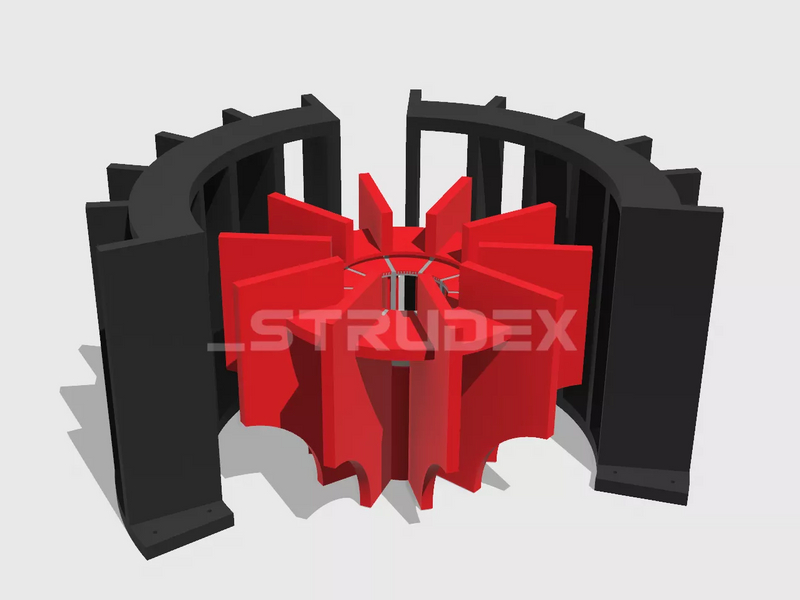
In the world of mineral processing, certain materials have become standard choices for flotation impellers. The most prevalent materials include polyurethane and wear-resistant rubber, known for their durability and performance. Industry experts emphasize the importance of selecting materials that can withstand harsh conditions while maintaining efficiency.
Strudex has played a significant role in setting these industry standards. Their innovative designs and high-quality materials have set benchmarks for performance and reliability. By focusing on wear resistance and chemical stability, Strudex ensures their flotation impellers meet the rigorous demands of modern mining operations.
Standard Material | Key Properties | Typical Applications |
Polyurethane | High wear resistance, chemical stability | High-intensity mining |
Wear-Resistant Rubber | Impact absorption, cost-effective | General mineral processing |
Choosing the right material for flotation impellers depends on various operational needs. Here are some guidelines to help make the best choice:
1. Assess Operational Conditions: Consider the type of minerals being processed and the environment. For example, if the slurry is highly abrasive, materials like polyurethane may be preferable due to their superior wear resistance.
2. Evaluate Chemical Compatibility: Ensure the selected material can withstand the reagents used in the flotation process. Strudex’s polyurethane impellers, for instance, are designed to resist degradation from common chemicals used in mining.
3. Consider Cost and Maintenance: Look for materials that not only perform well but also minimize maintenance needs. Strudex products are engineered to provide long-lasting performance, reducing the frequency of replacements and repairs.
Consideration | Recommendations |
Operational Environment | Use polyurethane for abrasiveness |
Chemical Exposure | Choose materials with high chemical resistance |
Maintenance Needs | Opt for durable options like Strudex |
By evaluating these factors, mining operators can select the most suitable flotation impeller materials for their specific applications. Strudex’s range of products offers reliable solutions tailored to diverse mining scenarios, ensuring optimal performance and efficiency.
Selecting the right material for flotation impellers is crucial for optimal performance. It impacts efficiency, durability, and cost-effectiveness.
Balancing these factors is essential for meeting operational needs.
Readers should assess their specific requirements before making a decision.
Strudex remains committed to innovation and quality in flotation technology, offering reliable solutions for diverse mining applications.
A: The lifespan varies based on material and operational conditions, typically ranging from 6 months to several years.
A: Replacement frequency depends on wear rates; regular inspections are recommended to determine the need for replacement.
A: Yes, different materials can be used based on specific operational requirements and slurry conditions.
A: Signs include visible abrasion, reduced efficiency, and unusual vibrations during operation.
A: Regular inspection, cleaning, and timely replacement of worn parts are essential for maintenance.
A: Strudex is known for its innovative designs, high-quality materials, and excellent customer support in the flotation industry.


