+86-173-0318-1768
- All
- Product Name
- Product Keyword
- Product Model
- Product Summary
- Product Description
- Multi Field Search

Views: 0 Author: Site Editor Publish Time: 2025-12-10 Origin: Site


Are you choosing the right mill liner? The wrong one can cut output fast. The right one boosts efficiency. This article shows what truly matters. You will learn how liners affect life, power, and product quality. Let’s explore the key choices that shape mill performance.
A mill liner affects almost every part of the grinding circuit, from charge motion to energy efficiency. Choosing the right material and design directly impacts throughput, mill availability, and wear life. Operators who understand their mill type, ore characteristics, and grinding goals can make smarter choices that benefit the entire plant.
Matching liner material to ore hardness, abrasiveness, and mill speed prevents premature failure and ensures predictable performance. Rubber, steel, and composite liners behave differently under impact and abrasion. Selecting the best option requires evaluating both grinding action and maintenance goals rather than relying on a single factor like purchase price.
Mill liner geometry influences how effectively the media lifts, cascades, and transfers energy to the ore. Using simulation tools such as DEM or CFD helps engineers design profiles that reduce slippage, prevent dead zones, and improve slurry discharge. A well-optimized design can significantly reduce energy waste while improving product size distribution.
Supplier expertise matters as much as the liner itself. Companies like Strudex , with advanced engineering tools, on-site service, and custom liner development capabilities, help operators build smarter long-term liner strategies. Strong technical support improves fit accuracy, reduces downtime, and ensures the liner continues delivering value throughout its service life.
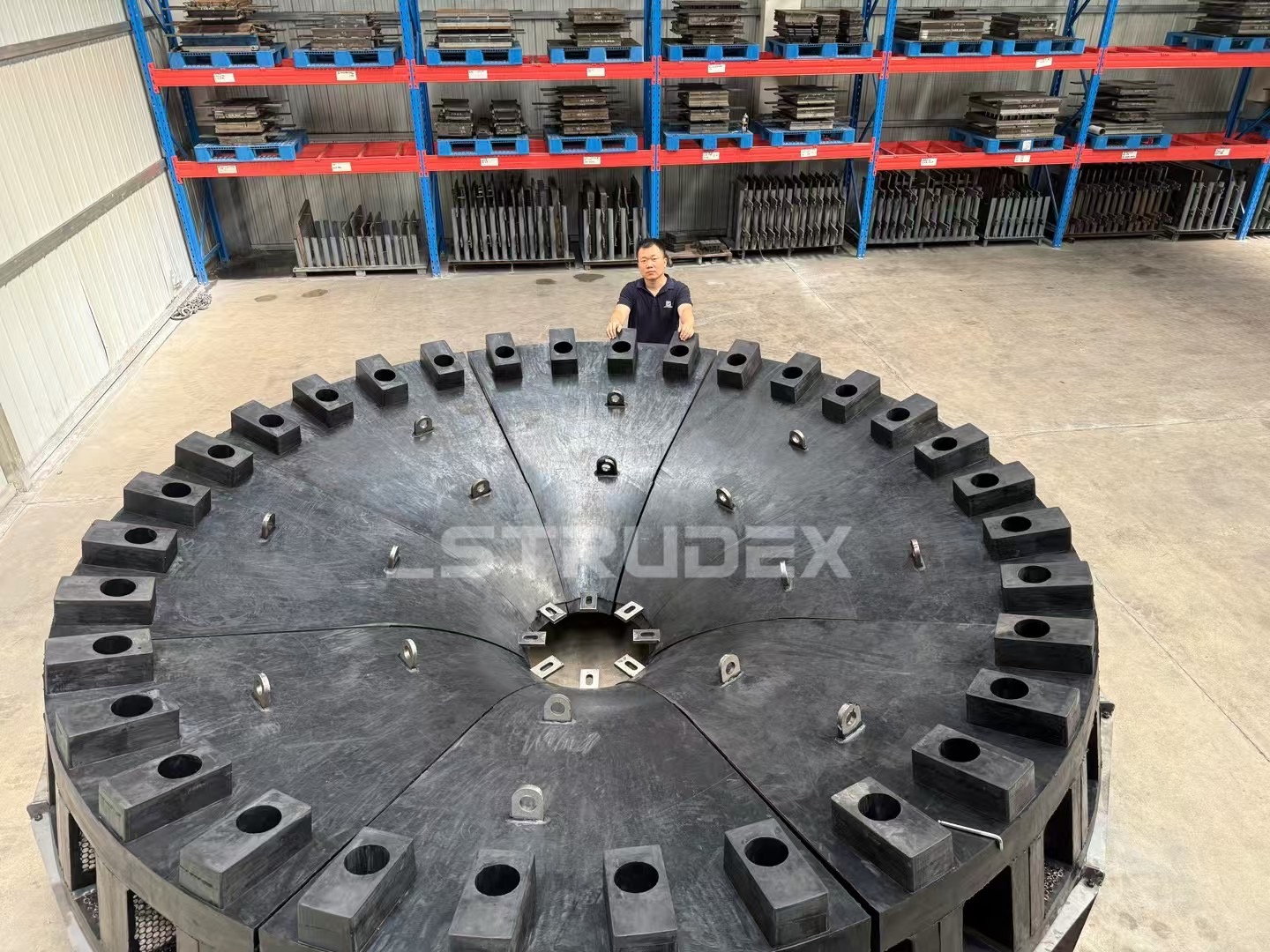
Selecting a mill lining system begins with understanding how your grinding circuit operates. Every mill—whether SAG, ball, or rod—creates different stress patterns, charge behavior, and wear conditions. These factors influence liner design, material selection, and expected service life. By understanding how your circuit behaves during normal operation, you can ensure the liner supports rather than restricts mill performance, resulting in more stable grinding, smoother energy use, and fewer unexpected shutdowns.
Each mill type has a unique operational personality. SAG mills generate intense impact forces because they use both large rocks and heavy steel grinding balls. Ball mills rely more on abrasion from smaller media and need controlled cascading action to achieve fine grinding. Rod mills use long rods that slide more than they tumble, putting different stresses on the liner. A mill liner must fit the grinding environment; otherwise, it wears unevenly, wastes energy, and reduces productivity.
Grinding action depends on circuit design. Coarse feed requires strong impact to break down particles quickly. Finer grinding stages rely on abrasion to produce uniform product sizes. Impact-dominant circuits need thicker steel or composite liners for durability. Abrasion-focused circuits benefit from rubber or smooth-profile liners. Recognizing the primary grinding action helps engineers choose liner materials and geometries that remain effective throughout the liner’s life.
Ore characteristics significantly impact liner performance. Large feed sizes strike lifter bars with high force, causing accelerated wear. Hard ores demand more durable materials, while soft but abrasive ores can cause rapid surface erosion. Measuring ore parameters such as Bond Work Index and Abrasion Index helps determine how aggressively the ore attacks the liner. Choosing the right liner material prevents early failure and maintains consistent grinding performance.
Grinding media size affects how high the charge rises and how hard it impacts the liner. Larger media requires stronger lifter profiles, while smaller media works better with smooth designs that promote cascading. Media volume influences how full the mill feels, which affects charge motion. A liner designed to suit the media behavior can significantly improve impact efficiency and extend liner life.
Your production goals shape your liner design. If you aim for finer product sizes, choose liner profiles that encourage cascading motion. If maximizing throughput is the priority, consider lifter configurations that improve impact and charge movement. Once goals are clear, selecting a liner becomes a strategic decision that optimizes performance instead of reacting to wear problems after they occur.
Mill speed determines how far the charge climbs before falling back. Slurry density affects pulp flow, discharge rate, and internal pressure. Load level influences energy transfer into the ore. Power draw offers insight into how efficiently the mill liner interacts with the charge. Monitoring these variables helps identify whether the liner is enhancing or restricting mill efficiency.
The way your circuit is run—whether aggressive or conservative—impacts wear rate and operational consistency. Higher speeds and coarser feeds shorten liner life. Stable circuits allow thinner or lighter liners, improving capacity. Understanding your operating philosophy ensures the liner selection aligns with both performance and maintenance goals.
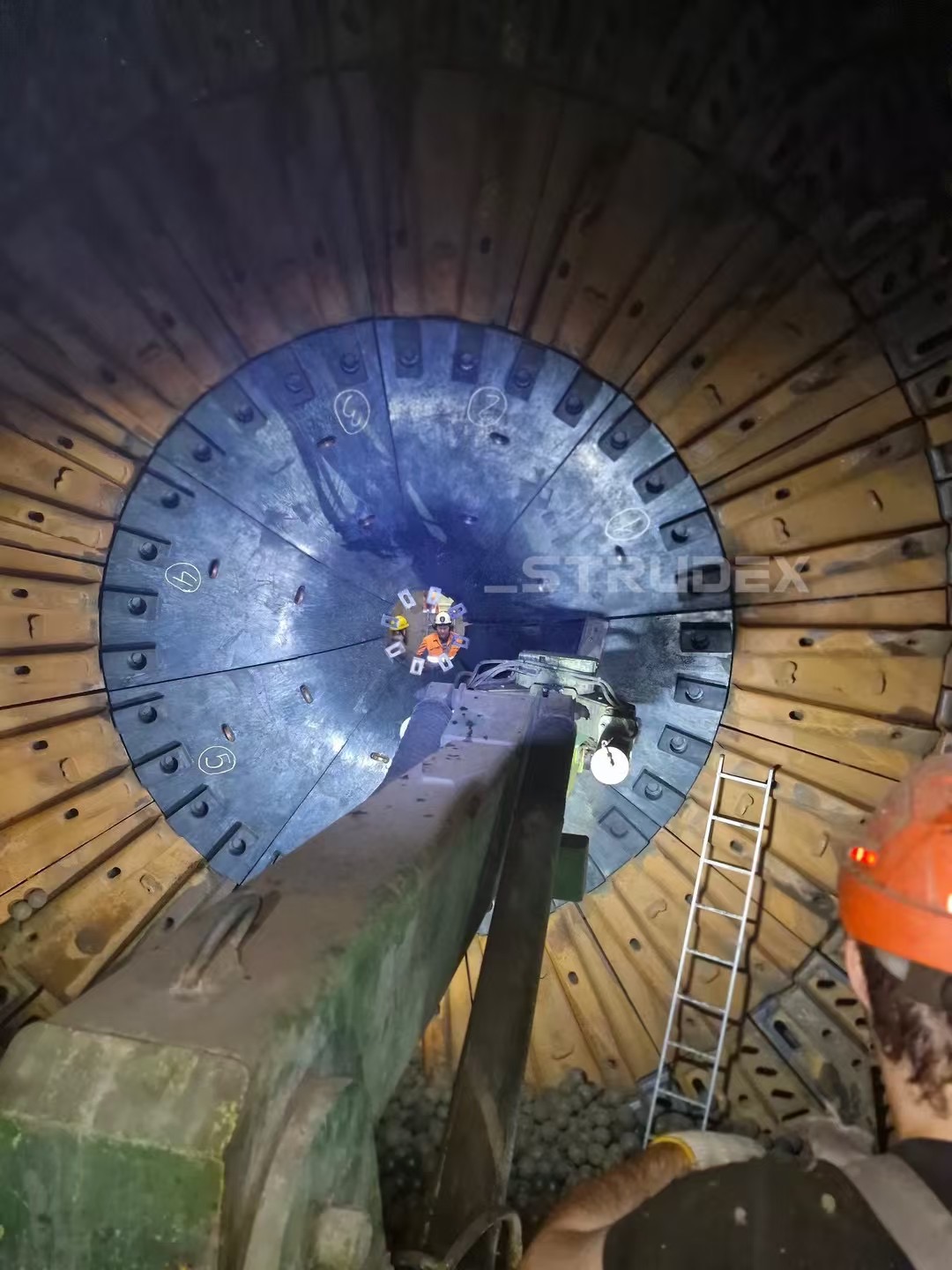
Material selection defines how well a liner withstands impact, abrasion, and chemical exposure. Each material type—rubber, steel, or composite—offers unique strengths. The best choice depends on ore behavior, grinding conditions, mill speed, and maintenance strategy.
Rubber liners absorb impact, reduce noise, and are lighter than metal liners. Their flexibility makes them ideal for wet grinding circuits and mills with moderate abrasion. Rubber lowers installation risks and shortens relining time. However, rubber struggles in high-impact SAG environments unless reinforced with metal inserts. When matched with the right application, rubber liners provide excellent cost performance and safety benefits.
Steel liners excel in high-impact conditions and offer strong structural integrity. High-chrome alloys provide excellent abrasion resistance. These liners dominate in large SAG mills where rocks and large grinding balls generate extreme forces. Steel liners are heavier and require more lifting equipment but typically deliver long service life in demanding applications.
Composite liners blend rubber or polyurethane with steel reinforcement. These hybrid systems offer durability in impact zones while reducing weight and noise. Because composite liners can be engineered section by section, they allow more precise tuning of charge motion. Their lighter weight significantly reduces installation time and improves worker safety.
Hard abrasive ores may require thick alloy steel or composite liners. Soft but sticky ores often perform best with rubber, which resists buildup. If your goal is longer maintenance intervals, steel or composite materials offer superior durability. If faster relining is the priority, rubber becomes more attractive. Considering both ore behavior and maintenance strategy leads to better long-term decisions.
Table 1: Material Comparison for Mill Liners
| Material Type | Impact Resistance | Abrasion Resistance | Weight | Best Applications |
|---|---|---|---|---|
| Rubber | Moderate | Moderate | Light | Wet grinding, noise reduction |
| High-Chrome Steel | High | High | Heavy | SAG mills, coarse feed |
| Composite | High | Moderate–High | Medium-Light | Mixed-impact circuits |
The geometry of a mill liner influences charge motion more than any other factor. A well-designed shape enhances grinding efficiency, reduces wear, and increases throughput. Poor geometry wastes energy, increases slippage, and accelerates failure.
Different lifter designs suit different grinding needs. Wave liners provide smooth media motion for fine grinding. Step liners lift media higher, creating strong impacts for coarse ore. High–low liners reduce weight while maintaining lift. Double-wave designs combine impact and abrasion control. Selecting the correct profile is essential for maintaining consistent grinding behavior.
Charge motion determines how effectively energy transfers from the mill to the ore. Good motion reduces slippage, prevents dead zones, and maximizes impact energy. Poor motion results in wasted energy, uneven wear, and lower throughput. Proper liner geometry helps maintain balanced charge behavior throughout the liner’s lifespan.
In SAG mills, the discharge system controls how quickly slurry exits the mill. Good grate design prevents slurry pooling and maintains efficiency. Pulp lifters shaped to promote smooth flow reduce pressure inside the mill and prevent blockages. Proper discharge design ensures both performance and extended liner life.
Engineering teams increasingly rely on simulation tools to test liner behavior. DEM shows charge movement and impact patterns. CFD models air and slurry flow. SPH predicts particle interactions. These tools help optimize liner design and prevent performance issues before manufacturing.
Table 2: Liner Profile Comparison
| Liner Profile | Grinding Action | Typical Applications | Advantages |
|---|---|---|---|
| Wave | Cascading | Fine grinding | Smooth motion |
| Step | Impact | Coarse feed | Higher lift |
| High–Low | Mixed | Energy-sensitive | Reduced weight |
| Double-Wave | Balanced | Versatile circuits | Good impact + abrasion control |
Wear life determines how long a liner lasts before replacement. But longevity is only one factor—operators must consider energy use, grinding efficiency, and downtime to understand true value. A liner that lasts long but grinds poorly can cost more than one that wears faster but maintains efficiency.
Liners may wear unevenly based on ore hardness, mill speed, and media distribution. Common failures include cracking, corner wear, lifter collapse, and excessive thinning. Understanding these patterns helps optimize next-generation designs and improve long-term performance.
Thicker liners absorb more impact but reduce internal volume. Reinforced sections protect zones exposed to high stress. Combining rubber with steel inserts delivers balanced performance. Correct thickness selection ensures the liner protects the mill without sacrificing capacity.
If lifters wear too low, the mill loses lifting energy and grinds inefficiently. Monitoring lifter height helps determine the optimal time to replace liners, ensuring energy is used effectively throughout the liner’s service life.
TCO includes more than liner price. Labor, shutdown duration, energy consumption, media use, and product quality also play roles. A liner with a slightly higher upfront cost may reduce long-term expenses across the entire circuit.
Table 3: TCO Factors for Mill Liner Evaluation
| Cost Factor | Impact on Operation | Reason for Importance |
|---|---|---|
| Downtime | High | Every hour offline reduces revenue |
| Energy Use | Medium–High | Inefficient liners waste power |
| Media Consumption | Medium | Poor geometry increases breakage |
| Labor / Installation | Medium | Heavy or complex liners cost more |
Mill relining is labor-intensive and often the costliest maintenance task in grinding operations. Selecting liners that install quickly and safely helps reduce downtime, improve worker conditions, and lower overall operating costs.
Modular liners allow faster installation and easier handling. Large castings reduce part count but require more lifting capacity and careful alignment. Choosing the right approach depends on mill size and available equipment.
Reducing liner weight, standardizing bolt patterns, and simplifying attachment systems all shorten relining time. Composite and rubber liners significantly lower operational hazards and speed up installation.
Rubber and composite liners generate less rebound and noise. Their lower weight reduces the chance of lifting-related injuries. Ergonomics matter in mill maintenance, and lighter liners play a major role in improving safety.
Coordinating liner changes with broader plant shutdowns reduces isolated downtime and improves maintenance efficiency. This alignment ensures the mill stays in sync with the rest of the plant.
Choosing a liner supplier is as important as choosing the liner itself. High-performing suppliers offer engineering support, advanced simulations, accurate fit verification, and responsive service. This is where companies like Strudex become especially valuable to plant operators seeking consistent performance improvements.
Suppliers who use simulation tools provide better-optimized designs. They anticipate high-wear zones and tweak geometry before manufacturing. This reduces trial cycles and improves reliability.
Mill shells deform over time. Strudex technicians use 3D scanning to capture accurate dimensions and ensure liners fit perfectly. This prevents installation issues such as misalignment or unwanted gaps.
Strudex supports side-by-side liner trials to compare wear behavior directly. Using identical geometry in the same mill zones ensures fair evaluation. This data-driven approach helps plants refine their liner strategy.
Strudex maintains a strong service network with on-site expertise and reliable product availability. Their team assists with wear analysis, liner installation training, and optimization audits. This holistic support increases mill uptime and extends equipment life.
Environmental conditions shape liner behavior in surprising ways. Temperature, humidity, pH, and ventilation all influence wear rates and operating efficiency.
Wet milling reduces dust and heat, lowering wear. Dry milling increases abrasion and heat buildup. Rubber often performs best in wet environments, while metal liners hold up better in dry circuits.
Low-pH slurries cause corrosion in metal liners. Rubber or corrosion-resistant alloys prevent chemical degradation. Chemical exposure should always be considered early in liner selection.
High temperatures can degrade rubber liners, while poor ventilation may trap heat inside the mill. Steel liners withstand heat better but may deform if over-stressed. Knowing the operating temperature window helps extend liner life.
Rubber liners can reduce mill noise significantly, helping maintain better working conditions. Lower noise improves communication during inspections and reduces fatigue, indirectly supporting safer operations.
The mill lining industry continues to evolve as operators seek longer wear life, safer maintenance, and more efficient energy use. Strudex is among the companies leading these innovations by developing engineered composite systems, advanced wear monitoring tools, and custom liner geometries.
Strudex composite liners incorporate alloy inserts precisely placed in high-impact areas. These hybrid systems combine strength and weight reduction, improving lifespan and performance in SAG and ball mills.
A lighter liner increases internal volume, allowing the mill to process more material without structural modifications. Strudex’s lightweight composite systems are engineered to maximize capacity while maintaining durability.
Strudex engineers use advanced CAD tools and DEM simulations to design liner profiles that refine charge trajectory and reduce energy losses. This data-driven design approach ensures consistent grinding efficiency across the liner’s life.
Strudex is developing smart liner systems equipped with embedded wear sensors. These systems help operators track liner health in real time, reducing the need for manual inspections and supporting predictive maintenance strategies.
Choosing the right mill liner starts with understanding your mill, ore, and goals. The right design boosts efficiency and cuts downtime. Materials work differently, so match them to your process. Companies like Strudex help with smart engineering and custom liners. Their support improves reliability and keeps mills running strong. A well-selected liner shapes performance and drives long-term results across the entire circuit.
A: The key is matching the mill liner to your mill type, ore hardness, and grinding goals to keep performance stable.
A: Each mill liner material handles impact and abrasion differently, so choose based on ore behavior and maintenance plans.
A: Lifter height and profile shape charge motion, so the right mill liner design improves grinding efficiency and reduces wear.
A: Monitor wear, adjust speed or load, and select a mill liner that balances durability with energy efficiency.


