+86-173-0318-1768
- All
- Product Name
- Product Keyword
- Product Model
- Product Summary
- Product Description
- Multi Field Search

Views: 0 Author: Site Editor Publish Time: 2026-02-22 Origin: Site


In the mining industry, slurry pumps are critical equipment used to transport abrasive and corrosive materials like slurries through pipelines. For slurry pumps to function efficiently and maintain a long service life, using the appropriate materials for their construction is essential. One of the most crucial wear-resistant components in slurry pumps is the Pump Rubber Liner. This article explores the significance of Pump Rubber Liners in mining operations, focusing on their benefits, how they improve efficiency, and why they are indispensable in mining environments.
A Pump Rubber Liner is a protective component used within slurry pumps to line the internal parts of the pump system. These liners are made primarily from high-quality rubber materials, specifically designed to absorb the impact of abrasives and prevent wear on the pump's internal surfaces.
Pump rubber liners are usually composed of natural rubber, synthetic rubber, or polyurethane. These materials are selected for their outstanding abrasion resistance, flexibility, and chemical stability, all of which make them ideal for the harsh conditions found in mining operations.
Natural Rubber: Natural rubber is known for its excellent resilience and abrasion resistance. It is commonly used in slurry pumps that handle coarse, solid-laden slurries. The natural elasticity of rubber allows it to withstand shock and impact, which helps maintain pump efficiency in high-stress environments.
Synthetic Rubber: Synthetic rubber offers better flexibility and increased resistance to chemicals when compared to natural rubber. It is especially useful in applications where the slurry may contain harsh chemicals or where temperature extremes are prevalent.
Polyurethane: Polyurethane is highly durable and provides superior wear resistance compared to natural rubber. It is often used in heavy-duty mining applications that involve high volumes of abrasive materials. Its superior strength makes it particularly effective in longer-lasting performance.
The primary function of a Pump Rubber Liner is to protect the internal components of the slurry pump from the abrasive materials within the slurry. Without proper protection, metal components in pumps are quickly worn down by the solid particles present in the slurry. Rubber liners, however, form a tough barrier that prevents such wear, significantly extending the life of the pump.
By using rubber liners, mining operations reduce the frequency of repairs and replacements, as these liners are designed to handle prolonged exposure to harsh materials without degrading. The durability of rubber liners helps ensure that pumps can continue operating efficiently for an extended period, reducing long-term costs associated with pump replacements and repair downtime.
Table 1: Comparison of Durability Between Pump Rubber Liners and Metal Liners
Feature | Pump Rubber Liner | Metal Liner |
Abrasion Resistance | High (Ideal for abrasive slurries) | Moderate (Prone to wear) |
Chemical Resistance | Excellent (Resistant to corrosive slurries) | Low (Corrosive chemicals may degrade metal) |
Cost-Effectiveness | Lower long-term costs due to durability | Higher replacement frequency leads to higher costs |
Service Life | Long (Up to several years with proper maintenance) | Short (Metal wears faster in abrasive conditions) |
A Pump Rubber Liner ensures that slurry pumps run smoothly by preventing unnecessary friction and wear. When the pump’s internal components are protected, the pump operates with increased efficiency, leading to reduced power consumption and lower operating costs.
By reducing friction between the slurry and the pump’s internal surfaces, rubber liners ensure that the slurry moves more freely through the pump, reducing the amount of energy required to move it. The smoother the flow, the less energy the pump consumes, which ultimately leads to cost savings in the form of lower electricity bills. Additionally, the protection provided by the rubber liner helps the pump maintain its operational capacity over time, improving overall system efficiency.
Without proper protection, slurry pumps are subject to substantial wear and tear from the abrasive particles in the slurry. Rubber liners act as a shield for the pump’s impellers, casings, and other essential components, preventing them from being damaged and ensuring the pump operates effectively.
This protection is especially critical in harsh mining environments, where the combination of high-pressure slurries and solid particles can severely damage metal components. The rubber liners absorb much of the impact, allowing the pump’s metal parts to remain intact and functional, which ensures consistent and reliable pump performance.
One of the standout advantages of Pump Rubber Liners is their versatility and ability to be customized. Mining operations differ in terms of the type of slurry being processed, the amount of abrasiveness in the slurry, and the overall conditions of the pump system. Custom rubber liners can be designed to meet the specific needs of each pump, ensuring optimal protection.
These liners can be tailored in terms of thickness, hardness, and material composition, making it easier to match the pump liner to the operational environment. For example, some liners may be designed to handle higher levels of abrasive materials, while others may be made from more chemically resistant materials to deal with highly corrosive slurries. This adaptability helps reduce the risk of premature wear and ensures that the pump continues to operate effectively, regardless of changing conditions.
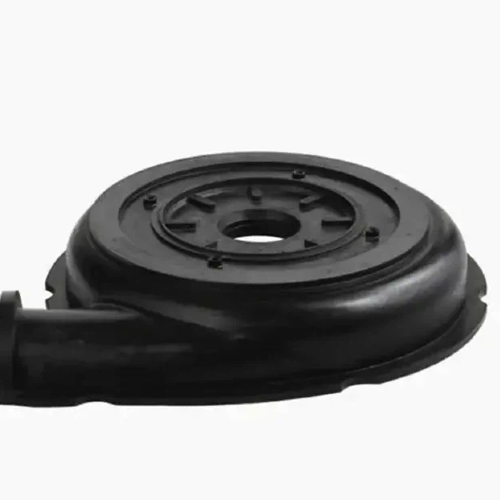
A Pump Rubber Liner reduces friction within the pump system by providing a smoother surface for the slurry to flow over. The smoother the internal surface of the pump, the less resistance there is, which directly improves the flow rate and overall efficiency of the pump.
A smoother flow also leads to fewer blockages, reducing the chances of clogging that can slow down or halt the pump’s operation. The result is fewer interruptions, longer periods of continuous operation, and reduced maintenance needs.
When slurry pumps are equipped with rubber liners, the friction between the slurry and the pump’s internal components is minimized. This means that less energy is needed to move the slurry, making the operation more energy-efficient. In mining operations, where pumps often run 24/7, this can result in significant energy savings over time.
Furthermore, reducing friction also helps the pump maintain its performance over time, which prevents energy losses associated with declining efficiency. This helps keep operating costs low, especially during long shifts or in environments where the pump runs for extended periods.
While there are a variety of materials available for slurry pump liners, Pump Rubber Liners have proven to be the most effective solution in many mining applications due to their superior combination of durability, flexibility, and cost-effectiveness.
Metal liners, while durable, are prone to wear when exposed to highly abrasive slurries. Over time, metal liners can suffer from corrosion, erosion, and abrasion, which eventually affects the pump’s performance. Metal liners also lack the flexibility needed to withstand impacts from varying slurry flows.
On the other hand, Pump Rubber Liners are:
More resistant to abrasion: Rubber has a superior ability to withstand the impact of abrasive particles in slurry, compared to metal.
More flexible: Rubber liners can flex without cracking or losing their shape, which is crucial in applications with fluctuating slurry conditions.
This flexibility and resilience make rubber liners the preferred choice for mining operations that require reliable, long-lasting protection.
One of the reasons why Pump Rubber Liners are so popular in mining operations is the ease with which they can be installed and replaced. Unlike metal liners, which may require welding or heavy machinery for installation, rubber liners can be installed quickly and easily with minimal downtime. This is a significant benefit for mining operations that rely on continuous, uninterrupted pump performance.
Moreover, rubber liners are cost-effective to replace, and their flexibility allows them to be used in a wide range of pump models. This reduces the need for custom-fabricated parts, further lowering replacement costs.
To maximize the lifespan of Pump Rubber Liners, it is essential to perform regular maintenance. This includes inspecting the liners for signs of wear, replacing them when necessary, and cleaning the liners periodically to remove slurry residues. Proper maintenance ensures that the rubber liners continue to protect the pump and maintain efficient performance, reducing the risk of unexpected breakdowns and costly repairs.
In conclusion, Pump Rubber Liners are a critical component in slurry pumps used in mining operations. They provide numerous benefits, including enhanced durability, improved pump performance, and cost-effectiveness. By reducing friction and protecting internal components, rubber liners help ensure that slurry pumps operate smoothly and efficiently for extended periods, ultimately leading to fewer maintenance issues and reduced downtime.
At Strudex Tech Co., Ltd., we offer high-quality Pump Rubber Liners designed to meet the specific needs of various mining environments. Our customizable solutions help optimize energy usage and enhance the overall efficiency of your mining operations. By choosing our premium liners, mining companies can significantly reduce operational costs and improve profitability.
If you’re looking to elevate the performance of your slurry pumps, we encourage you to reach out to us for more information or to discuss how our Pump Rubber Liners can meet your specific requirements. Our team is here to support you in finding the best solutions for your mining operations.
How long do pump rubber liners typically last in mining operations?
The lifespan of pump rubber liners depends on the type of slurry and the operational conditions. However, with proper maintenance, they can last for several years.
Can pump rubber liners be customized for different mining environments?
Yes, pump rubber liners can be tailored in terms of material composition, hardness, and thickness to meet specific mining needs.
Are pump rubber liners easy to install and replace?
Yes, they are easy to install and replace, which minimizes downtime during maintenance and repairs.
What materials are commonly used for pump rubber liners?
Pump rubber liners are typically made from natural rubber, synthetic rubber, or polyurethane, depending on the operational requirements.


