+86-173-0318-1768
- All
- Product Name
- Product Keyword
- Product Model
- Product Summary
- Product Description
- Multi Field Search

 |


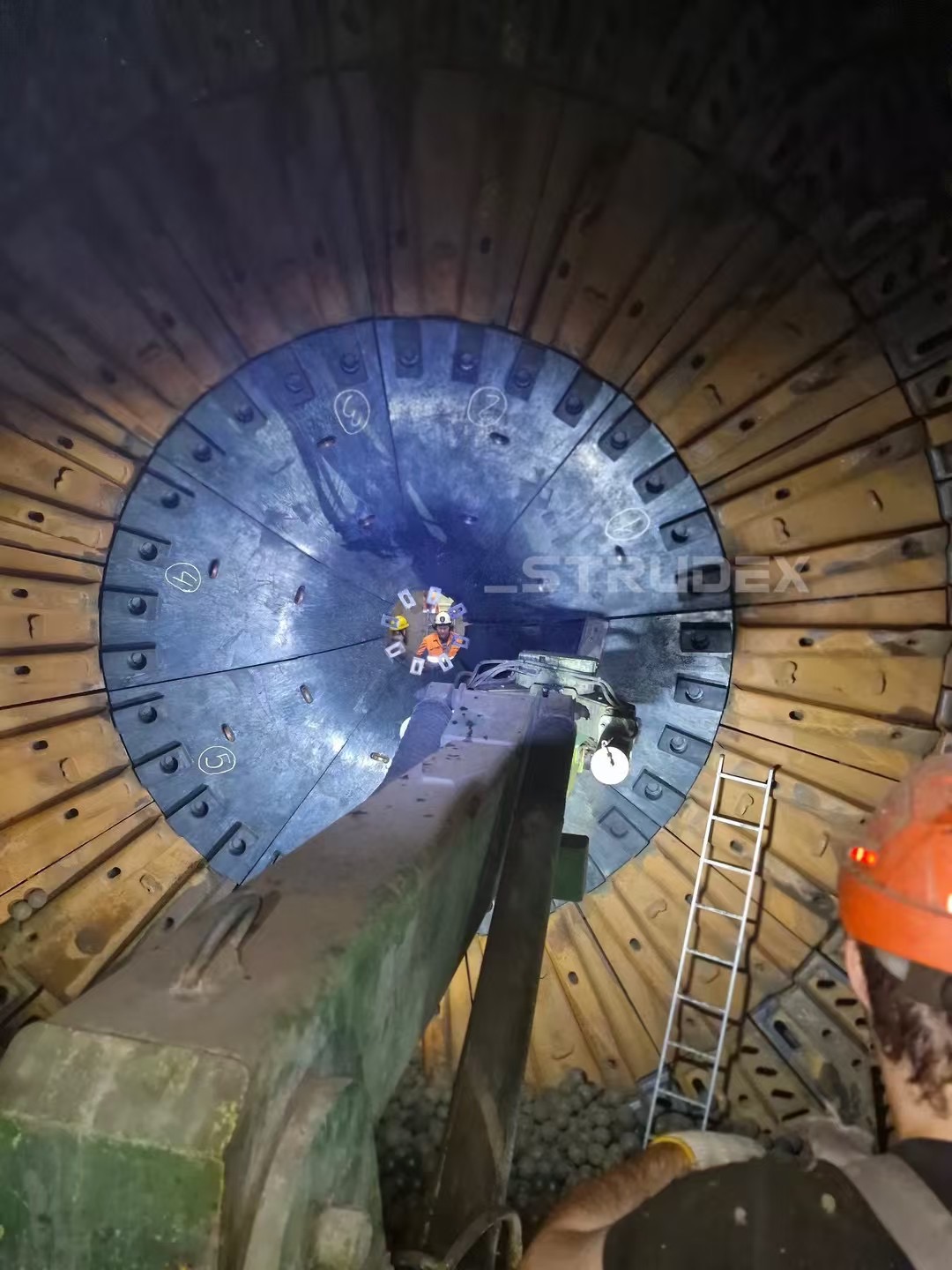
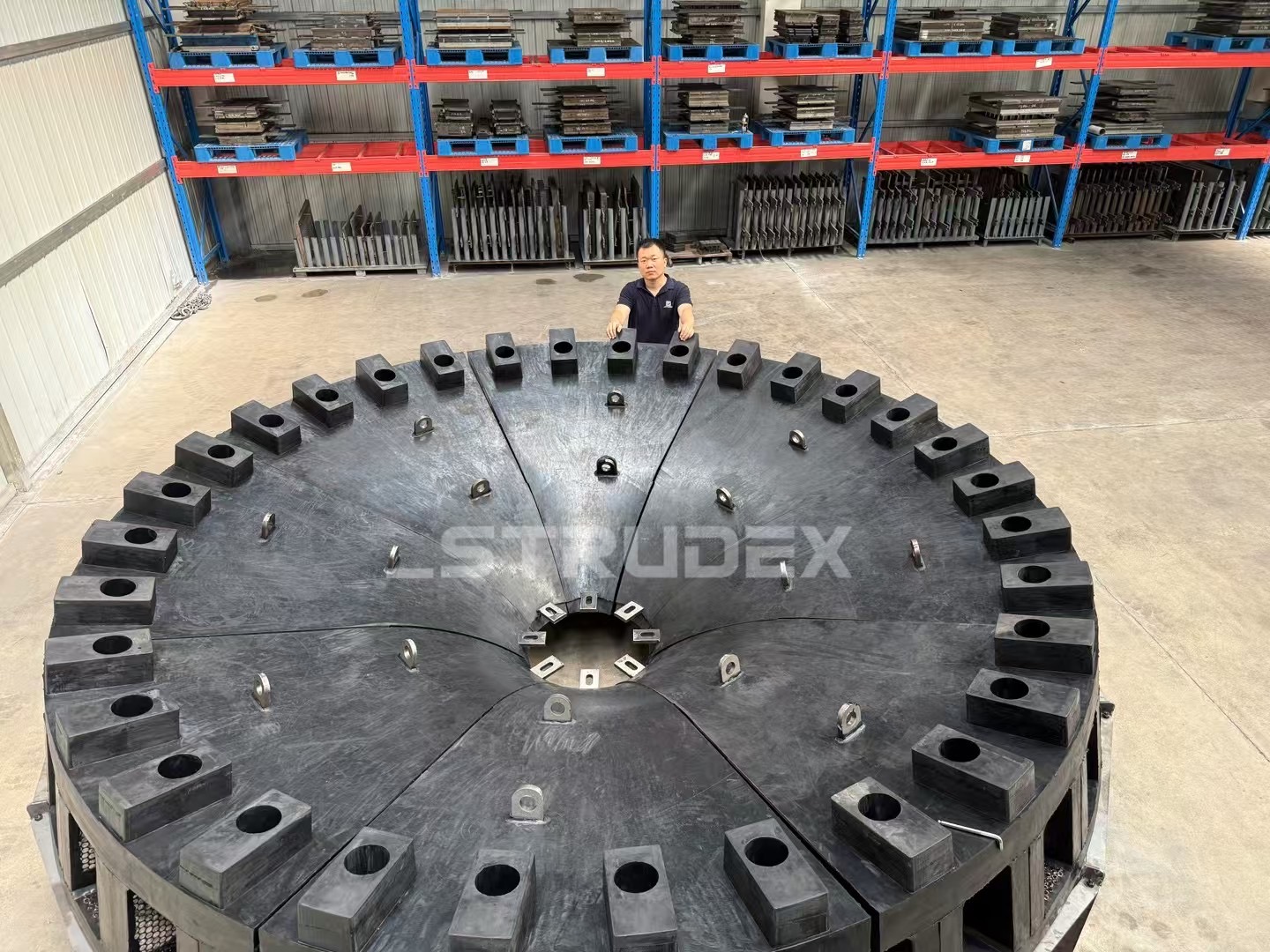


Strudex rubber mill liners use natural rubber compounds to provide a resilient wear surface inside grinding mills. For a ball mill application, selection should connect shell protection with the lifter arrangement, slurry conditions and the existing fastening layout. The lining layout and operating duty provide a sound basis for evaluating a change from metal to rubber.
| Quantity: | |
|---|---|
Strudex natural rubber mill liners provide a resilient working surface for ball mill applications. The range combines shaped rubber wear components with the geometry and reinforcement specified for the selected lining arrangement. The key purchase decision is how the compound, plate and lifter will work with the charge, rather than whether rubber is universally better than metal.
| Parameter | Product configuration |
|---|---|
| Wear material | Mining-duty natural rubber |
| Component form | Shaped mill lining plates and lifting components |
| Reinforced configuration | Natural rubber with a metal skeleton in the published reinforced family |
| Published hardness options | 60–70 Shore A for the rubber mill-liner family; selected compound defined in the order |
| Manufacturing process | Rubber vulcanization |
| Application focus | Ball mill grinding duty |
| Fixing interface | Bolt-fixed and molded-insert geometry according to the selected design |
| Dimensions and profile | According to the approved lining and component drawings |

Rubber deforms under contact and recovers as the load moves. This response can cushion repeated ore and media contact while keeping the rubber between the charge and the underlying structure. It does not make the surface immune to sharp cutting, excessive local loading or an unsuitable chemical environment. The contact mechanism determines whether the proposed compound and section are appropriate.
| Contact condition | What to evaluate in the lining |
|---|---|
| Repeated sliding abrasion | The wear-face formulation and allowance, plus the profile that remains after progressive loss. A laboratory abrasion result needs the stated method and compound to be meaningful. |
| Large or concentrated impacts | The feed and media size, local contact position and support. Assess the actual impact duty rather than choosing from the mill-type name alone. |
| Sharp material or tramp metal | Cutting and tearing at the exposed face, edges and inserts. A harder compound is not automatically the correct response to an unsupported or repeatedly cut boundary. |
| Slurry and process liquids | Chemical identity, concentration, temperature and exposure time. A single pH value does not describe every constituent that can affect natural rubber. |
Vulcanization forms the rubber component to its intended shape and material condition. A reinforced version also needs a defined relationship between rubber and the embedded metal. The product drawing should identify that construction and its interfaces. General statements about natural rubber or molding do not specify every insert, fastener or reinforced section in the final assembly.
Rubber components generally offer a lower material density than an all-metal equivalent, but the supplied part’s actual mass and dimensions still govern handling. Assess access, lifting points and the removal sequence for that component. Material choice does not by itself make a section suitable for manual lifting or establish the duration of a mill reline.
| Interface | Definition needed before replacement |
|---|---|
| Component outline and curvature | The intended new dimensions and the location of adjoining sections. Identify surfaces on a used sample that have worn or distorted. |
| Insert and bolt seating | The approved mating geometry and installation requirements. Similar outside dimensions do not establish a compatible fastening interface. |
| Joints and shell openings | The required relationship with sealing items and support. Rubber compressibility does not replace a defined joint or repair a damaged shell seat. |
| Supply scope | Which wear components, fasteners and sealing items are included. Separate references help the installation package remain complete. |
Record the baseline for judging a material or profile change before commissioning. Use consistent wear positions and retain the feed, media, operating exposure and product requirement. Compare throughput and power in the same process context. A different ore blend or operating load can change the result, so rubber alone should not be credited with an assumed energy saving.
For a Strudex quotation, provide the ball mill identification, lining layout, component and fixing drawings, slurry conditions and the failure or wear pattern to address. Identify the sections required for the next installation and any proposed change from the existing arrangement. The aim is a specified natural-rubber lining configuration that suits the mill, with material and geometry reviewed together.


